In the 1920s the fashionable mouth shrank to a point: a small, precisely outlined shape dominated by the cupid's bow — the twin curves of the upper lip — drawn in deep plum and red and often painted deliberately inside the natural line. The decade's hardware made the gesture portable: in 1923 James Bruce Mason Jr patented the swivel-up lipstick tube, a cylinder that slipped into a handbag the way a cigarette case did. Makeup stopped being an appointment at the beauty counter and became something a woman carried, applied and owned in public.
What did the cupid's bow mouth look like?
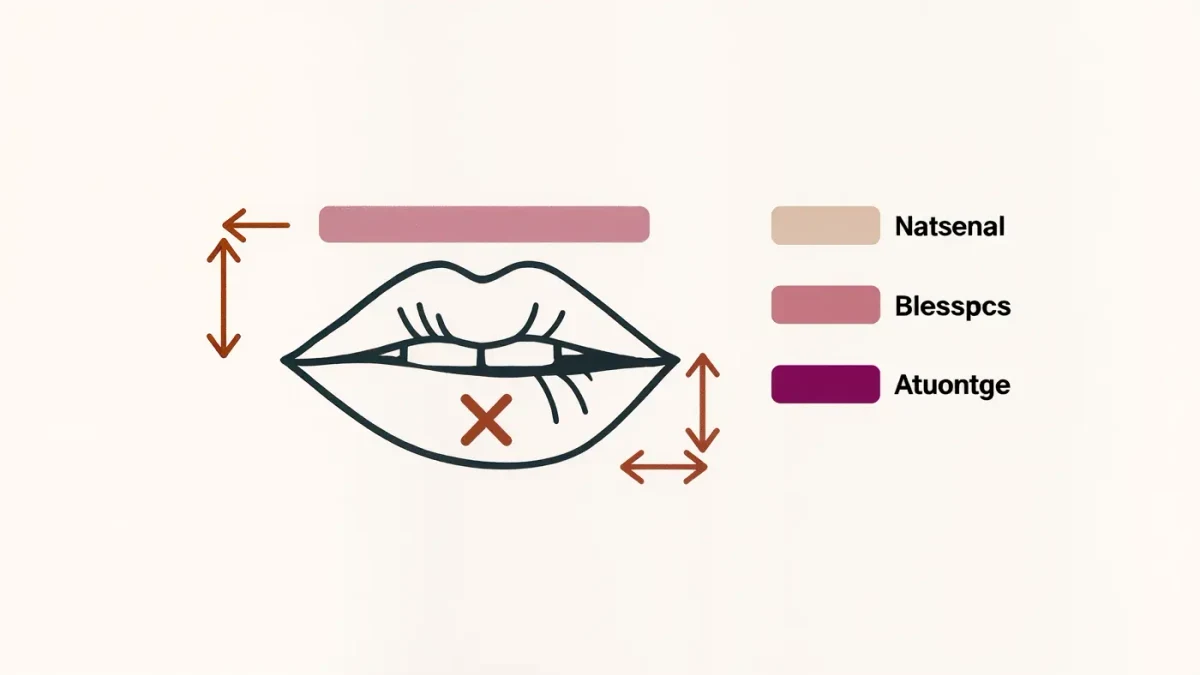
Small above all. Lips were over-outlined in pencil and filled with dense colour — burgundy, plum, the red-orange shades of the era — then blotted to a flat, matte finish, with the whole shape compressed toward the centre of the face. The bow itself was exaggerated: the two peaks of the upper lip accented so the mouth read as a graphic mark, almost a printed emblem, against powder-pale skin. Film close-ups taught the geometry, and women copied it from the screen with a pencil in a hand mirror.
Why small lips, and why then?
Because the face had become modern property. The bobbed hair, the dropped waist and the short mouth belonged to one argument — a woman styling herself for work, cinema and the street rather than for a marriage portrait — and the mouth was its most legible sentence. Silent film trained audiences in the close-up, and stars whose careers peaked in the decade's second half, Clara Bow with the 1927 film It above all, made the small dark mouth a mass-circulation ideal. A painted lip in daylight, once the mark of the actress, became the visible sign of belonging to the decade.
Who made the products the decade painted with?
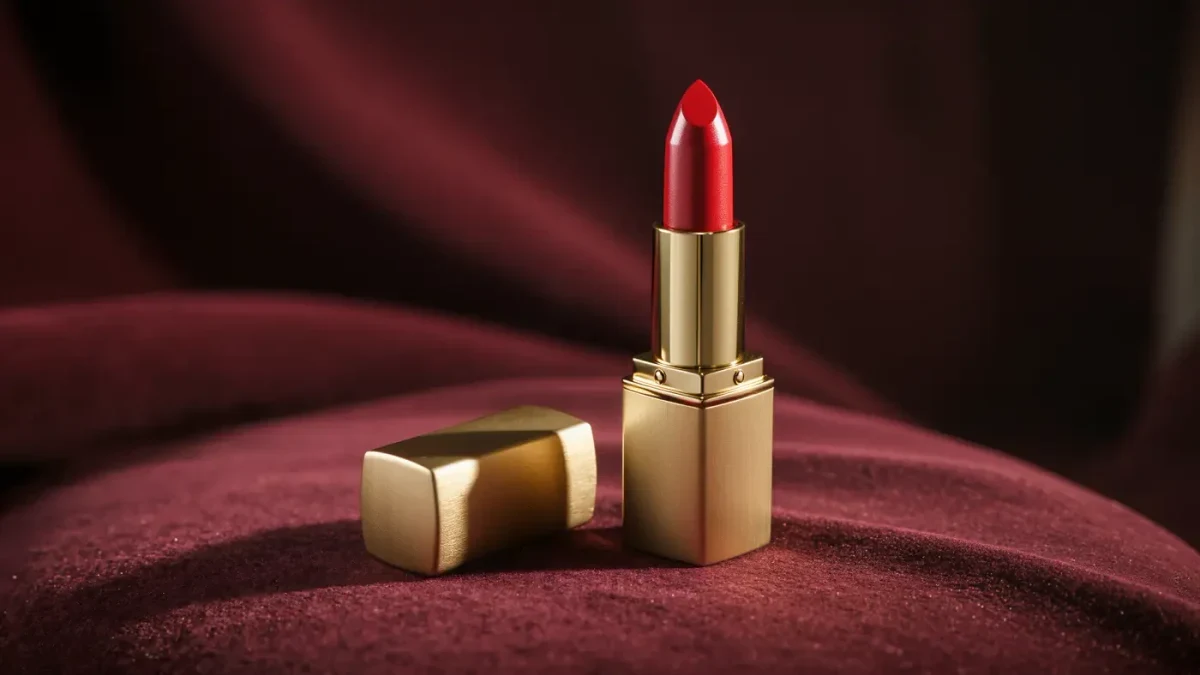
Most visibly Max Factor — born Maksymilian Faktorowicz, who moved to the film industry's new capital and built a house supplying makeup to the studios before selling versions of it to the public. Helena Rubinstein and Elizabeth Arden had already moved cosmetics toward respectability; the cinema completed the argument. By the mid-1920s lipstick was an ordinary purchase, sold in the swivel tubes whose basic mechanism — the bullet rising from a metal cylinder — remains the industry's standard container design a century later.
What remains of the 1920s mouth?
The precedent. Every later revival of the graphic lip — the matte red drawn small, the lip liner used as an instrument of redesign — is quoting the decade that first treated the mouth as a drawn line rather than a natural feature to be tinted. The cupid's bow mouth matters to beauty history because it is the first clearly modern makeup statement: urban, self-applied, cinematic and deliberate, a style chosen in public and worn as a position. The 1920s did not merely colour the lip. It authored it.
How did ordinary women learn the look?
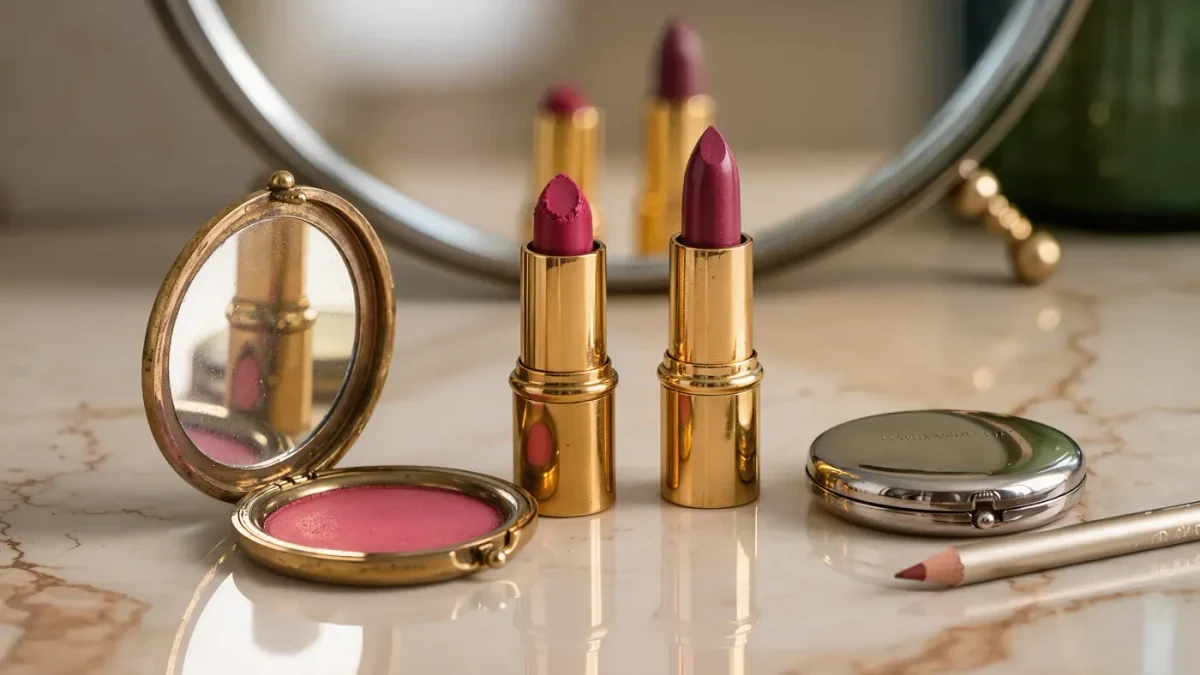
Through the first mass beauty media system. Film fan magazines circulated the close-up face nationally; beauty columns explained technique; and the drugstore supplied the instruments — the pencil, the blotting tissue, the compact — at prices a working woman could pay. Department store counters, led by the houses of Helena Rubinstein, Elizabeth Arden and Max Factor, trained a retail culture of demonstration and advice, so the cinematic mouth arrived with instructions attached. The look was also practised in public, which was new: applying lipstick outside the powder room became one of the decade's small social scandals and, quickly, one of its ordinary freedoms. A gesture that scandalised 1915 was unremarkable by 1925.
What did the small mouth mean socially?
It condensed the decade's argument about women into a centimetre of paint. The cropped hair, the shortened skirt and the shrunken lip all read as retrenchment from Victorian scale — a face organised for the user rather than the observer — and the mouth, drawn rather than tinted, was the most deliberately artificial of the three. Cosmetics advertising said so plainly, selling the lip pencil as an instrument of self-creation, and moralists said so too, complaining that painted women were blurring the old signals of respectability. Both were right about the stakes. The cupid's bow mouth was not flattering nature; it was replacing nature with a design, and everyone understood the substitution.
How is the 1920s mouth read today?
As a quotation everyone recognises. The small dark lip returns whenever fashion wants the twenties — on runways reviving the decade's silhouettes, in photography that cites silent film, on red carpets playing with vintage modernity — and it carries its original argument intact: a mouth that is obviously drawn is a mouth that claims authorship. Beauty historians treat it as the first truly modern lip because the rest of the century has been quoting it, from the matte liner look of the 1990s to contemporary overlining techniques that still use the bow as their anchor point. A hundred years on, the instruction has not changed. Draw small, draw dark, draw deliberately.
The trade press of the decade priced the transformation precisely: a tube of lipstick for the cost of a cinema ticket, a pencil for less, a compact to carry both. That arithmetic was the revolution's engine — a modern face available for small change, no counter required — and it explains how a film-derived shape became a street uniform within roughly five years. Fashion historians date the modern cosmetics industry from this accessibility, not from the products themselves, which had existed for a generation. What changed in the 1920s was the market the mouth could reach.