
Art
From Junkshop to Pedestal: How the Found Object Remade a Century of Art
Found object art turns chosen everyday things into art, a lineage documented from Picasso's 1912 collage to Duchamp's Fountain of 1917.
Art covers exhibitions, commissions and the artists whose vocabulary keeps turning up in collections. Coverage names movements, materials and editions, and separates genuine collaboration from a licensing deal with a signature attached. Written for readers who move between galleries and fashion with equal fluency.
Found object art turns chosen everyday things into art, a lineage documented from Picasso's 1912 collage to Duchamp's Fountain of 1917.

A plain-language look at how AI-generated imagery actually works, what it borrows, and where the human hand still matters.
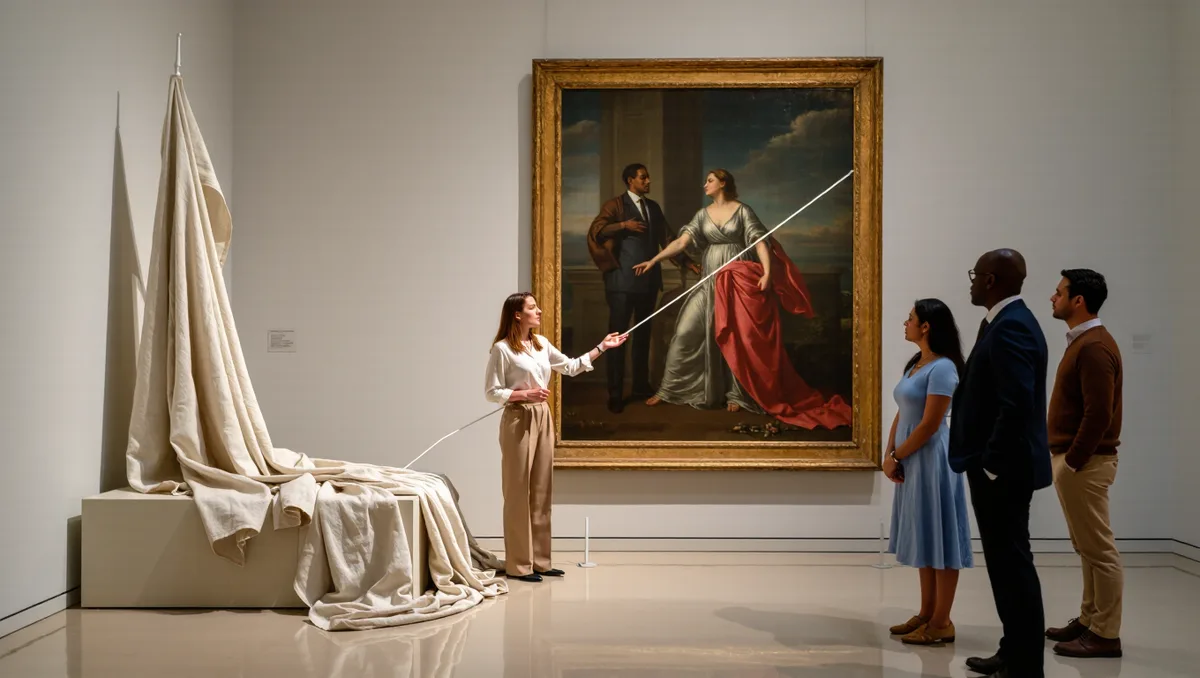
A step-by-step method for standing in front of any canvas and finding what it is actually saying.
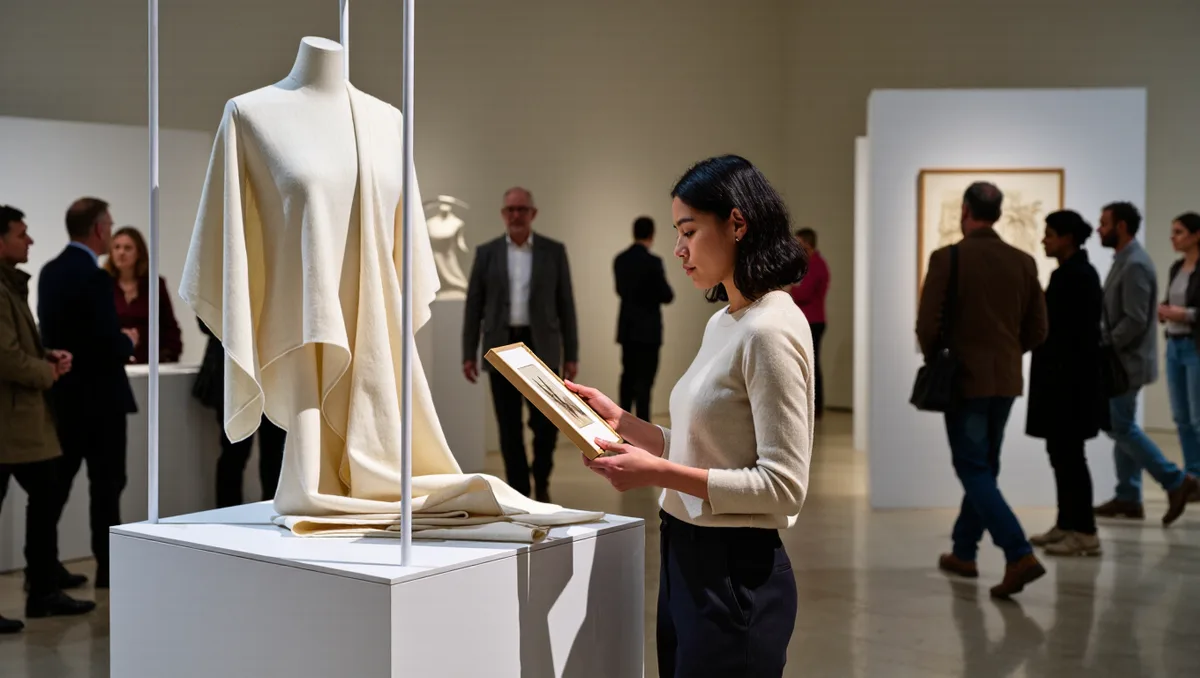
A collector's eye is built, not bought — and the first ten works cost less than the first one would if you waited.
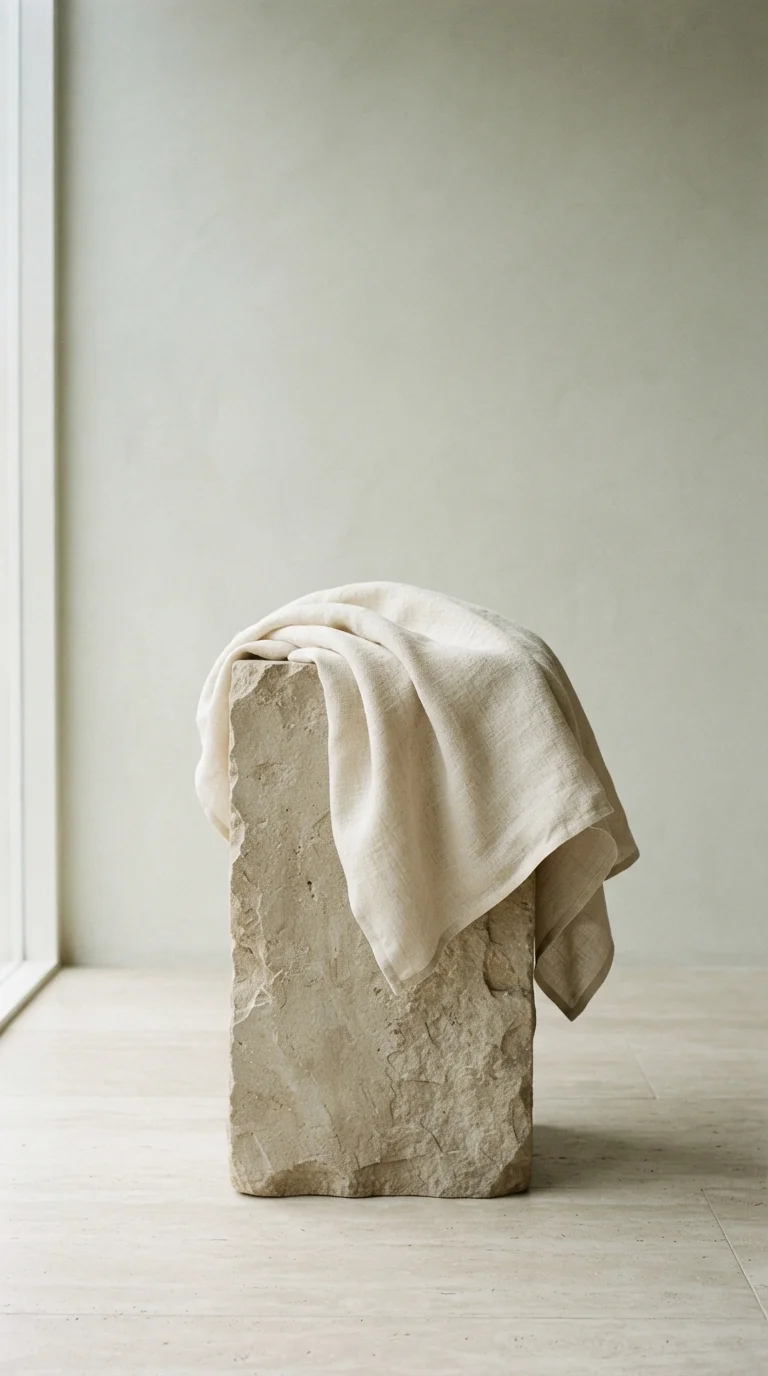
The Met's Costume Institute holds more than 33,000 garments and accessories, and its fifty-year project of exhibiting dress as art history changed how both museums and fashion houses understand the garment.
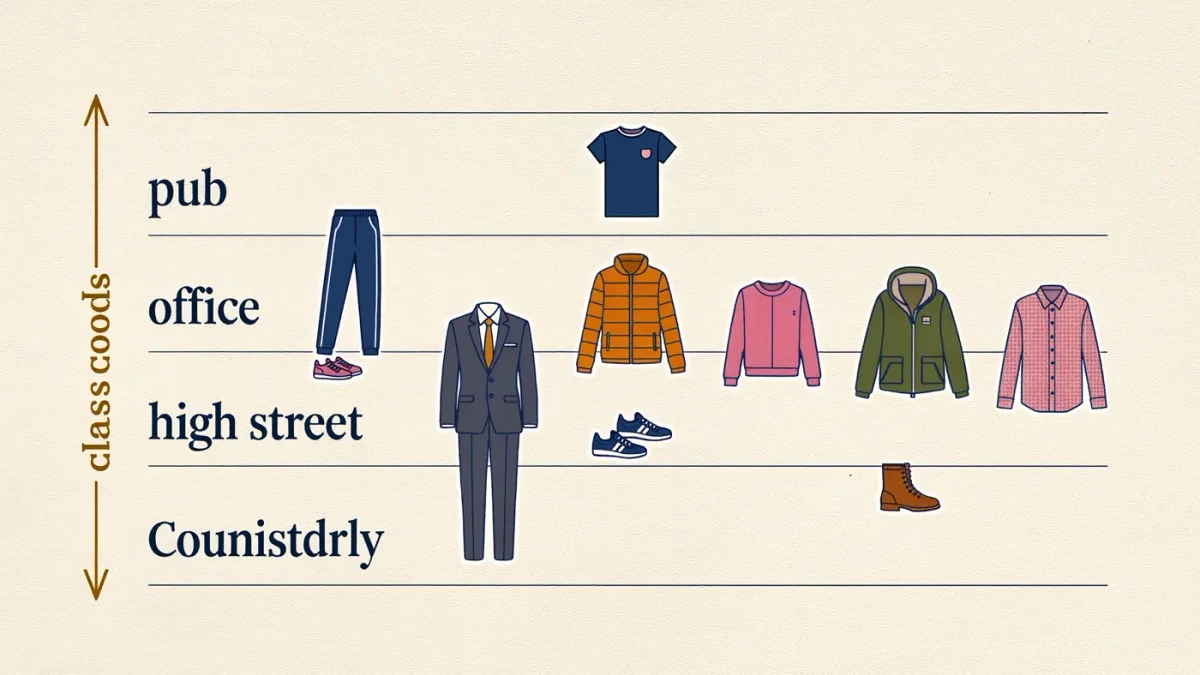
Grayson Perry accepted the 2003 Turner Prize in a dress as his alter ego Claire, and has spent four decades making ceramics and tapestries that read British class through what people wear.