
Art
From Canvas to Grimoire: The Art of Victoria Unikel
Trancerealism, the MONEY and WAR collections, a New York gala prize — and a dark universe where the paintings learned to speak.
Curators center a work at 57 inches, anchor groupings on one line with three to six inches between frames, and light the wall without glare.
Design pricing is documented math: unit cost plus a set markup, a wholesale-to-retail climb, and couture that spends more than a gown earns while licenses pay.
Where dressing finds its references.
Trancerealism, the MONEY and WAR collections, a New York gala prize — and a dark universe where the paintings learned to speak.
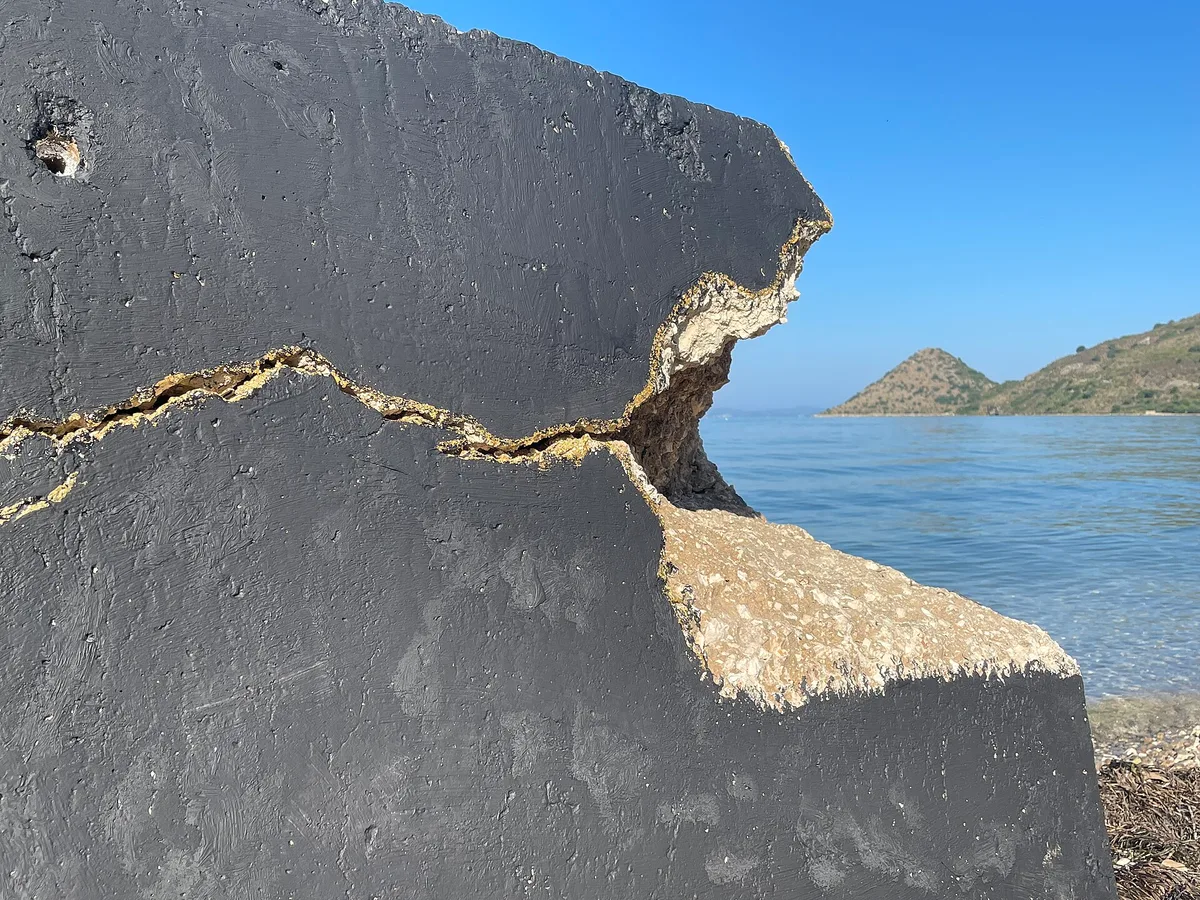
Found object art turns chosen everyday things into art, a lineage documented from Picasso's 1912 collage to Duchamp's Fountain of 1917.
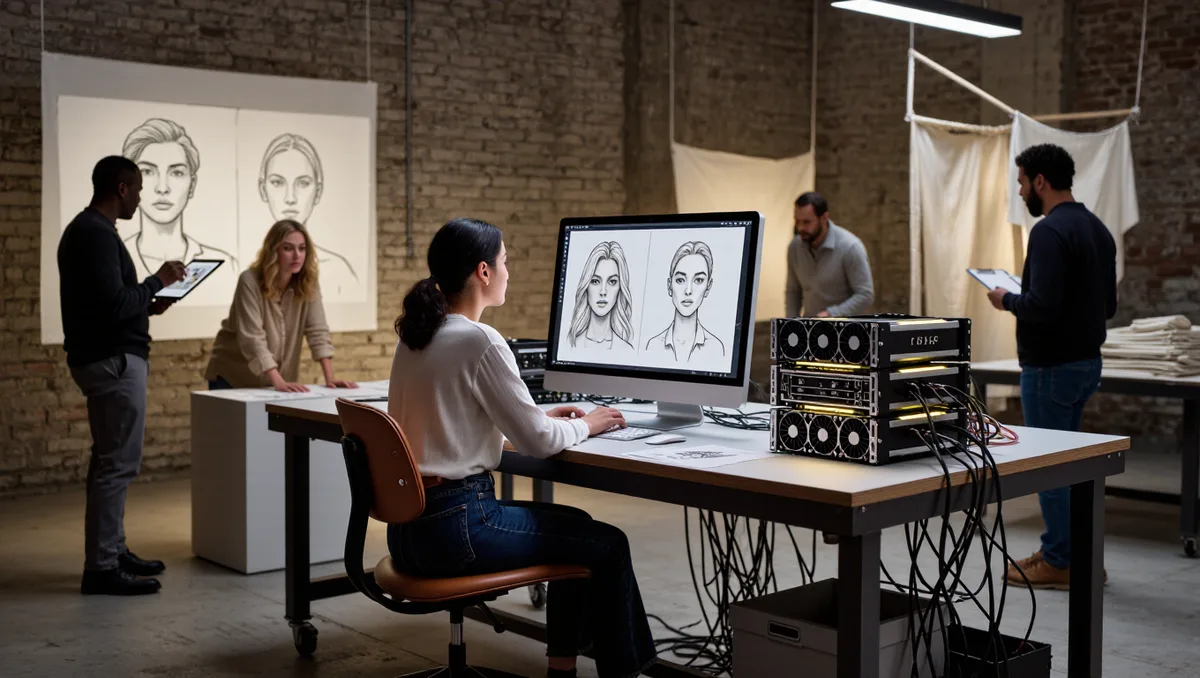
A plain-language look at how AI-generated imagery actually works, what it borrows, and where the human hand still matters.

Most jars promise a younger face. A short list of ingredients has the receipts — and the rest is packaging.
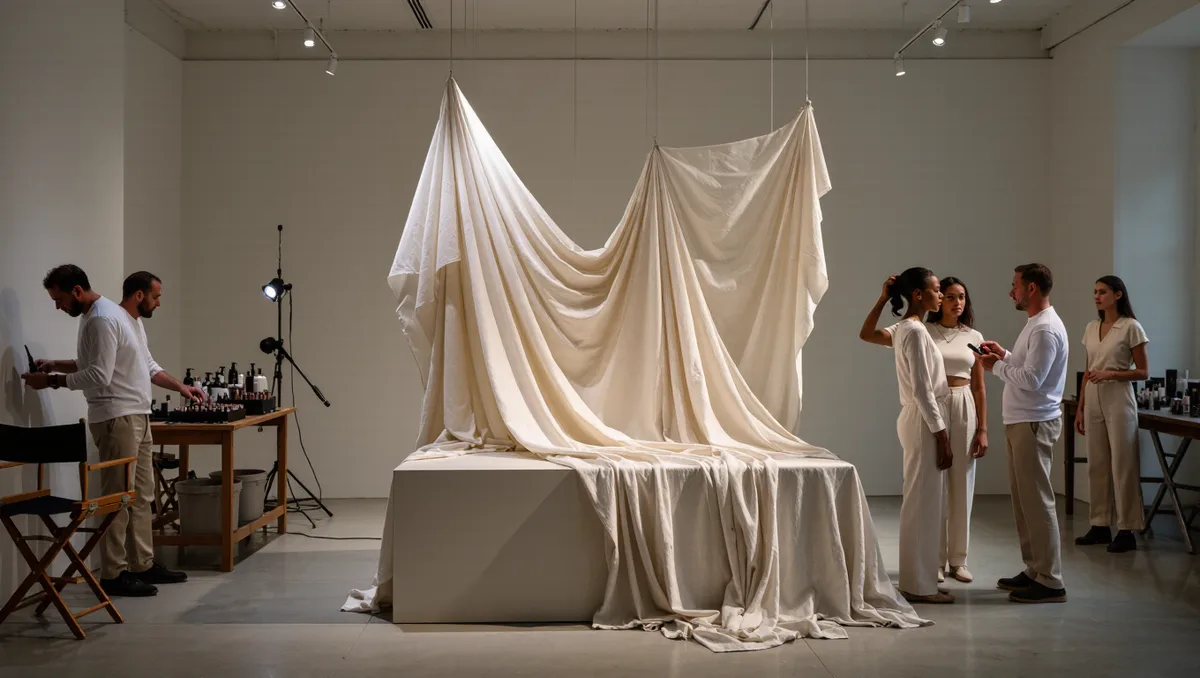
Unmade hair, bare skin and a deliberate streak of imperfection defined the season's backstage.
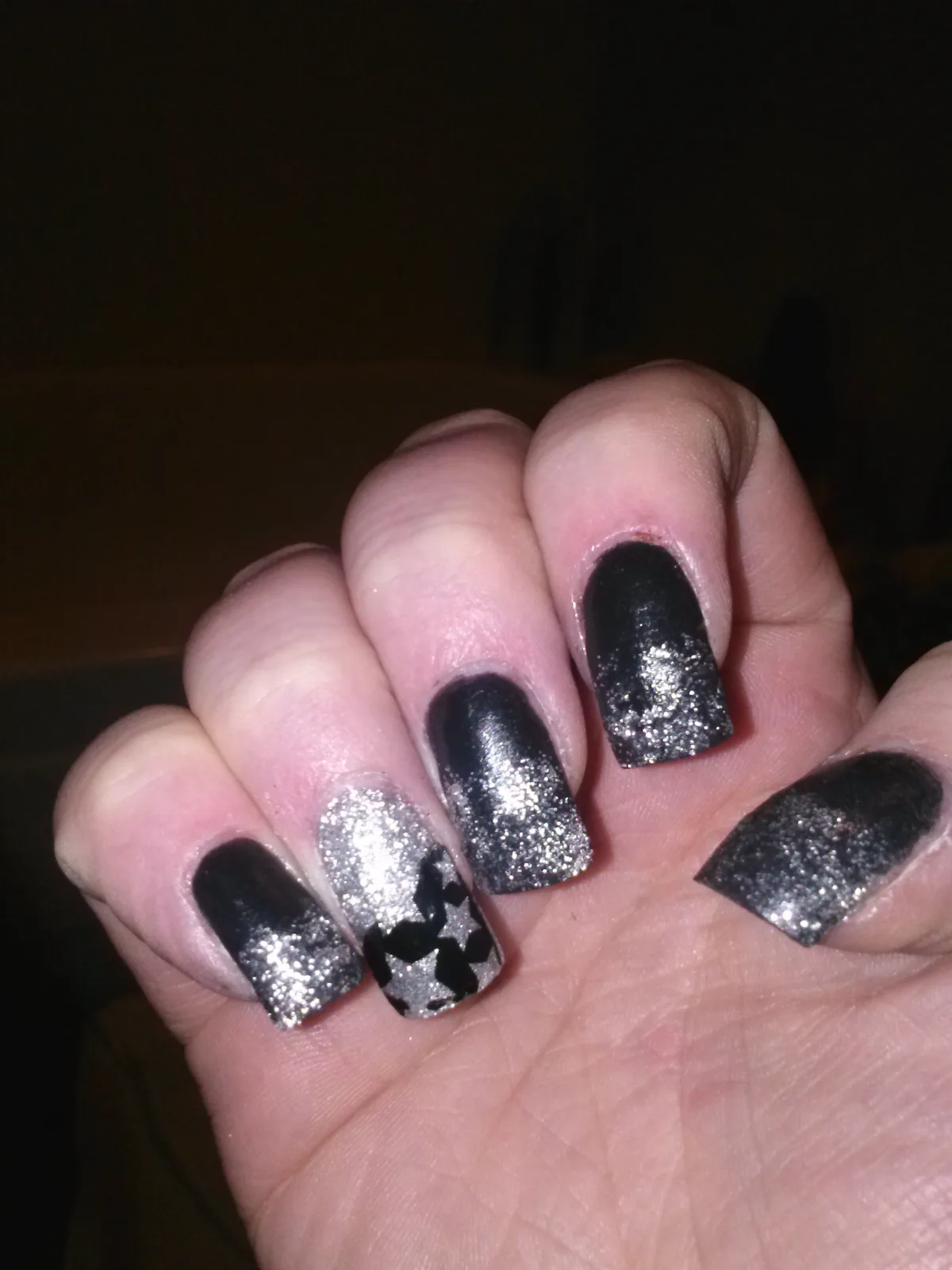
Four artificial nail systems, ranked by what actually matters: how long they last, what they cost, and what they take from the nail underneath.
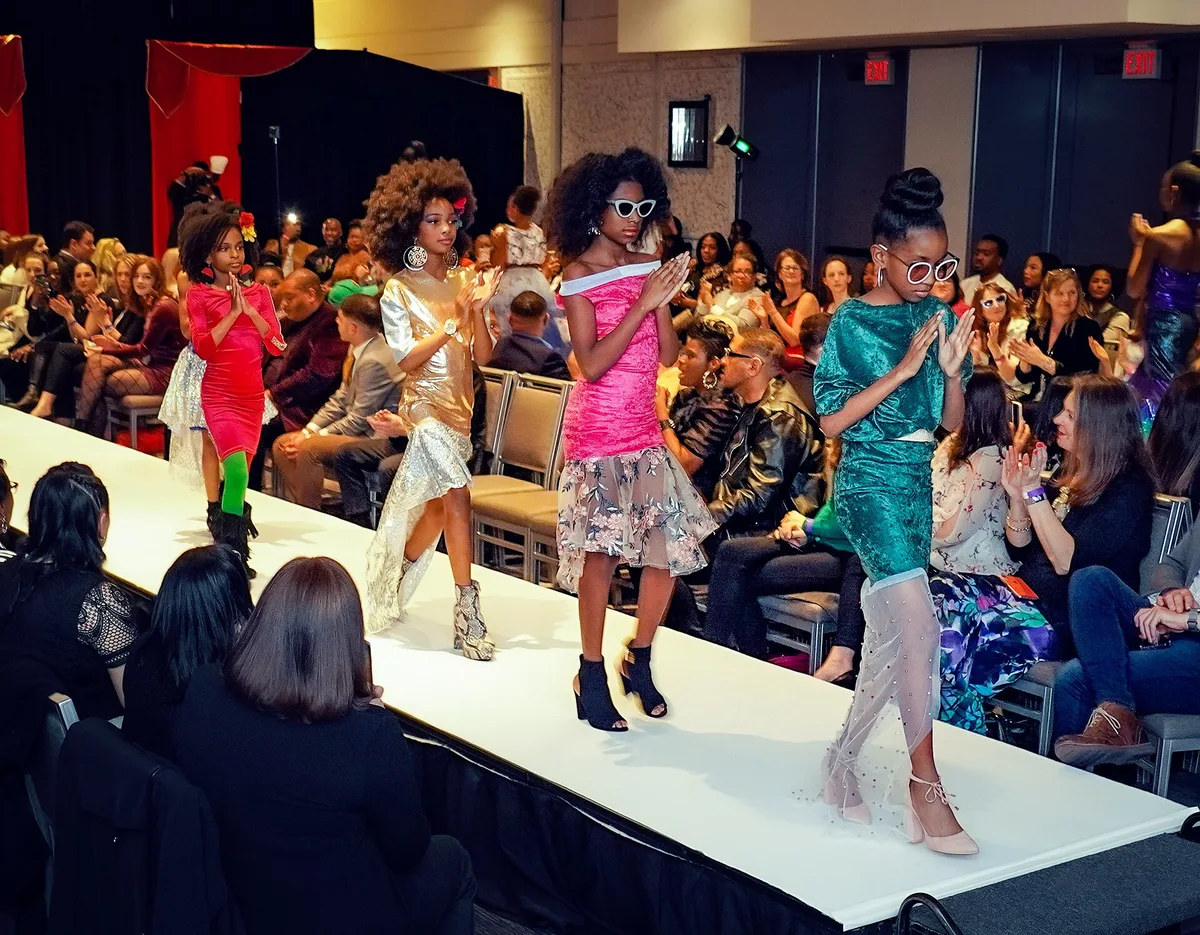
A guide to what actually distinguishes a rising talent from a well-funded launch — and how to watch the new generation without a press release doing the watching for you.
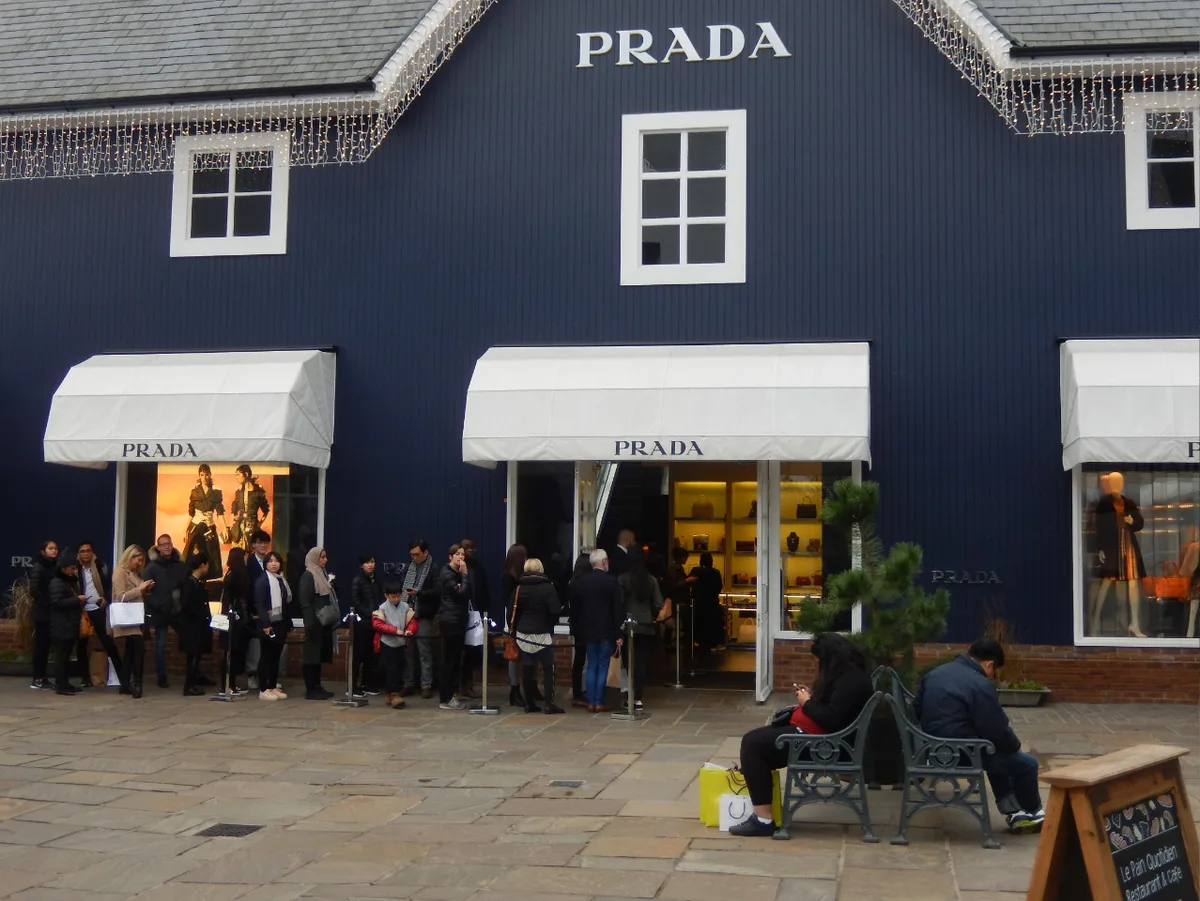
Miuccia Prada and Raf Simons dropped trousers and dresses entirely. Here is how their method translates into everyday dressing.
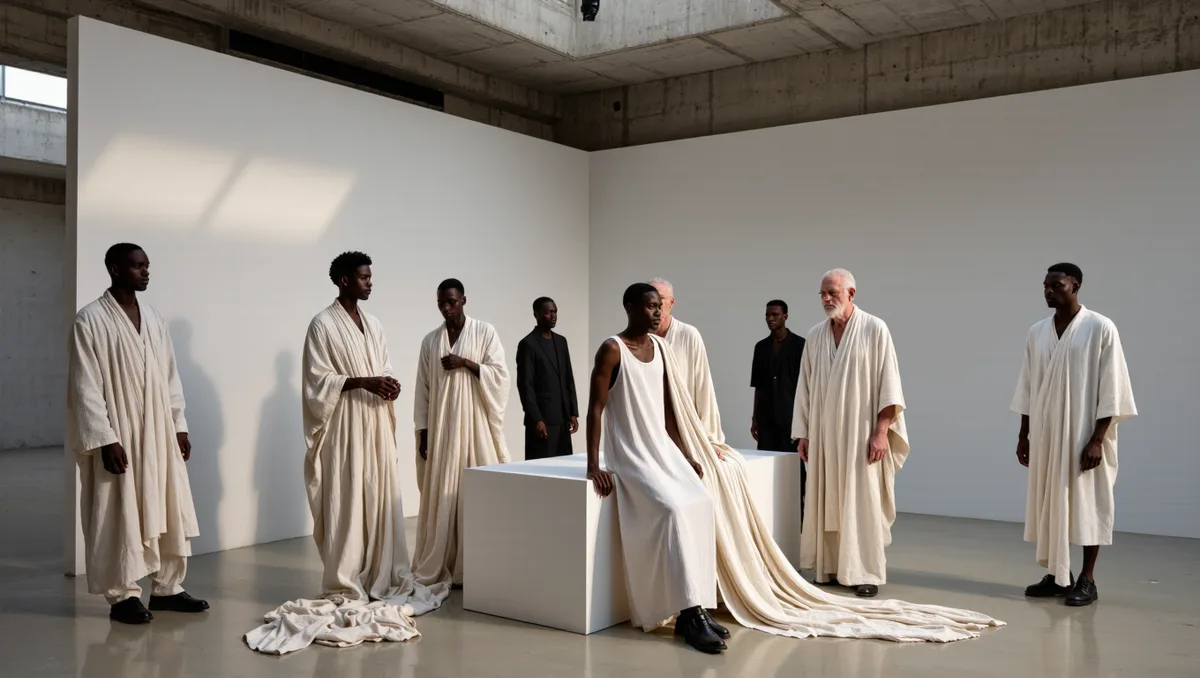
Tailoring loosened, red sharpened, and frog closures walked out of the archive. The pavement was the more interesting runway this season.
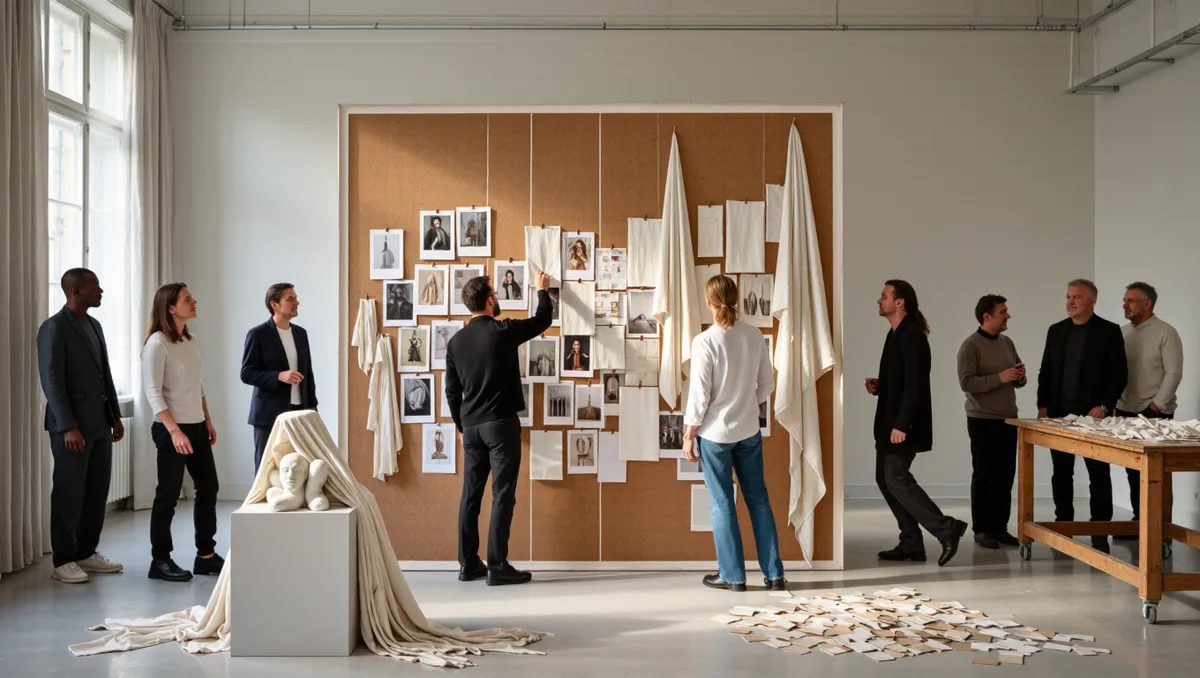
Before the first sketch comes the board. How fashion's creative directors build mood boards, and how to read the visual language they set for a season.

How scattered interests become a coherent practice — and why coherence, not talent, is what gets a young artist noticed.
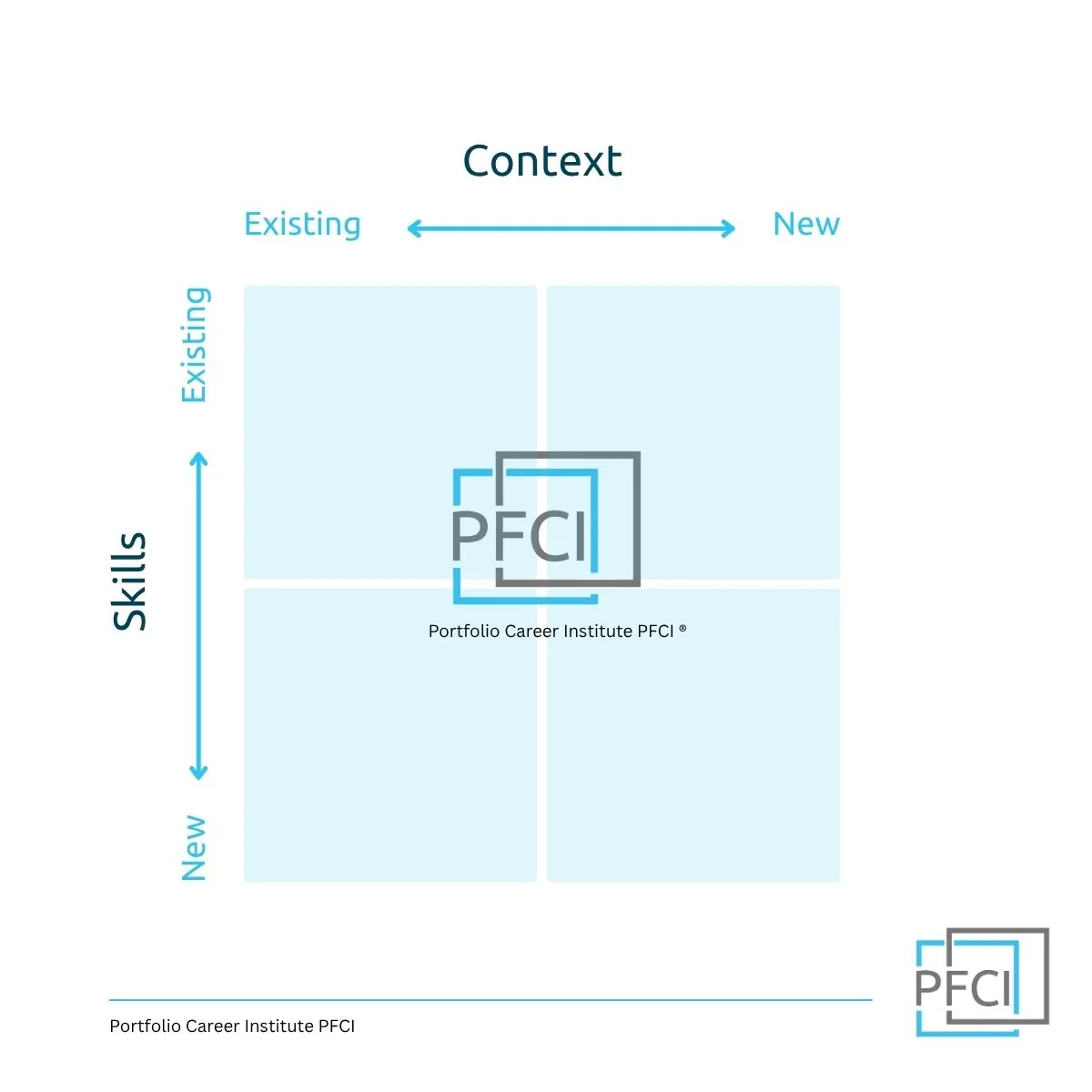
Casting and hiring decisions are made in under a minute. Here is what to show, what to cut, and how to sequence the work so the right image lands first.
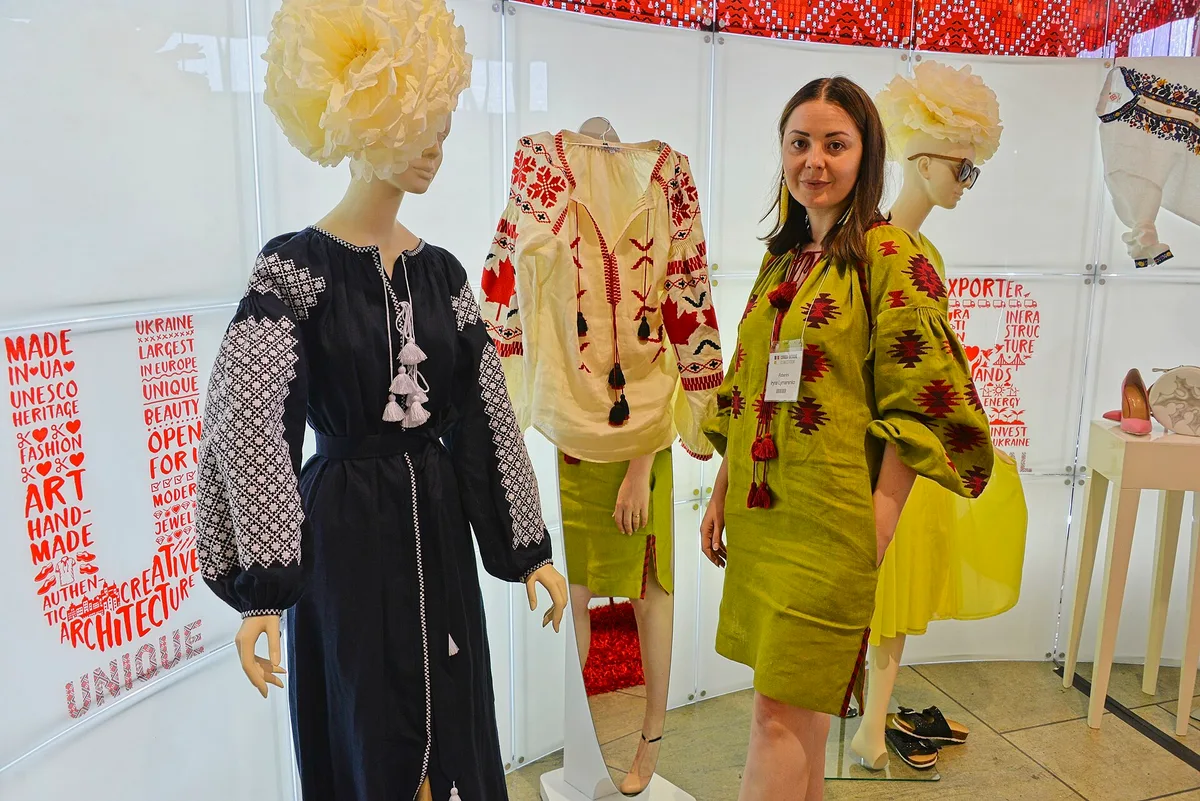
Advertising, affiliate commerce and sponsorship pay for fashion journalism. Here is how each works, and where independence holds or frays.
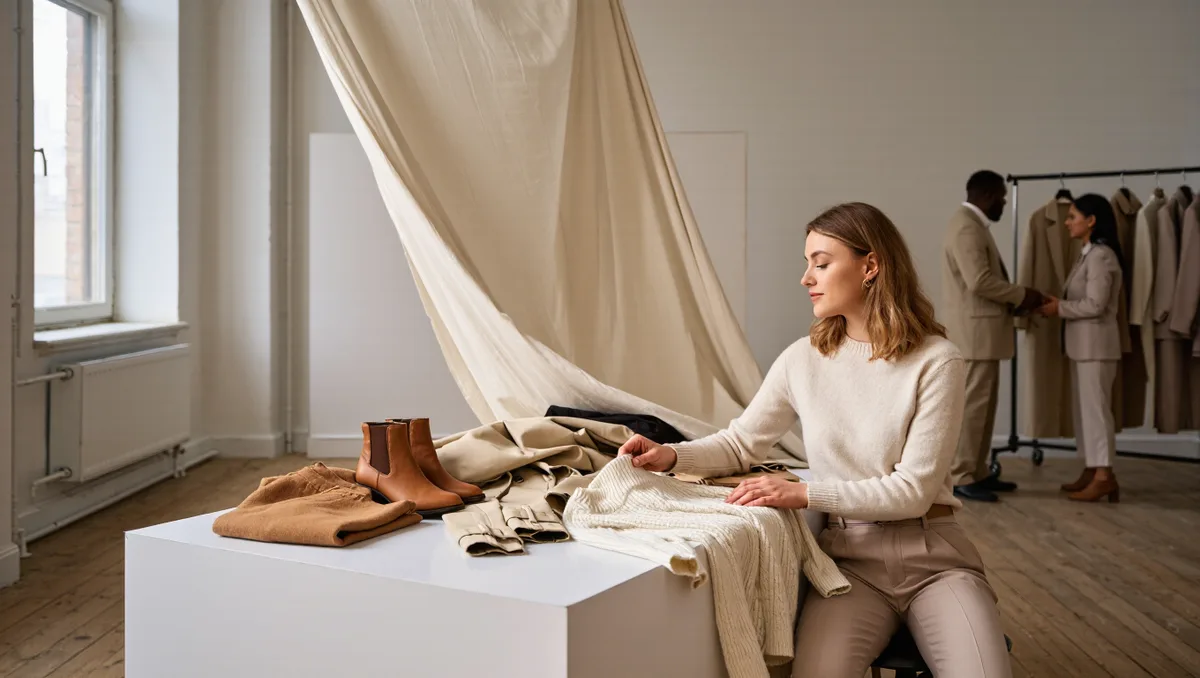
A shopping editor's seasonal list is less a haul than a method. Here is how to read it, and how to apply it to any retail assortment, this fall and after.

Verification is the quiet craft behind every reported profile. Here is how the checking actually works, and why it matters months later.
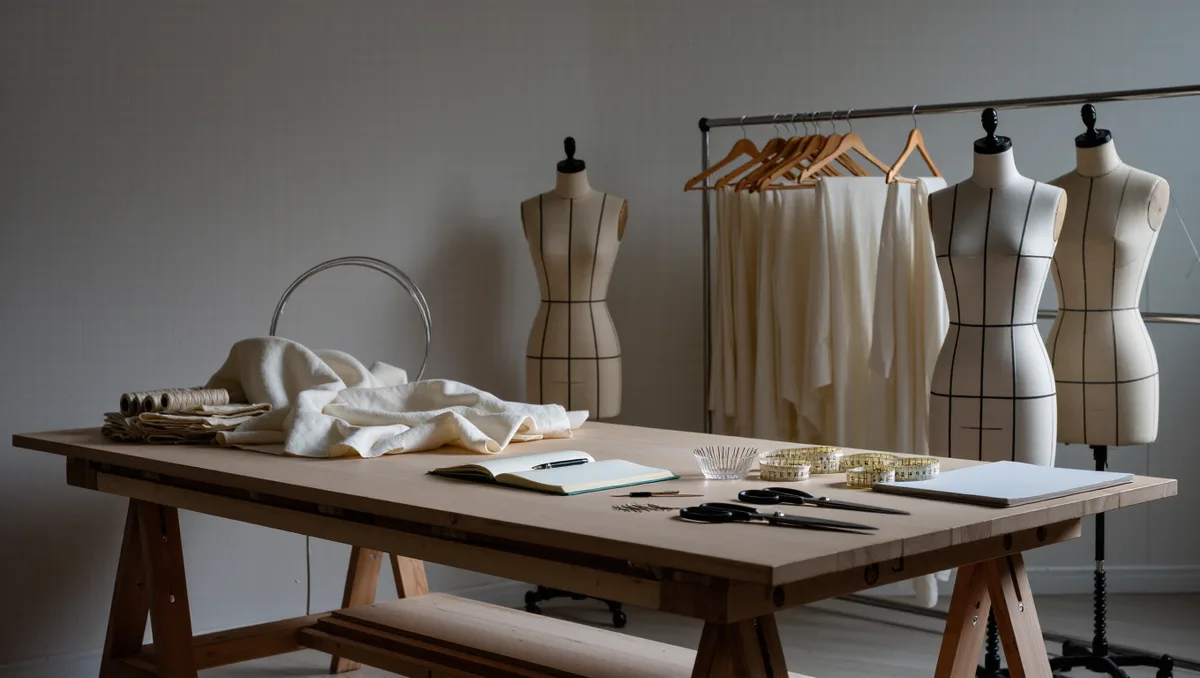
The schedule, the buyers, the seats, and the machinery that decides what reaches the shop floor.
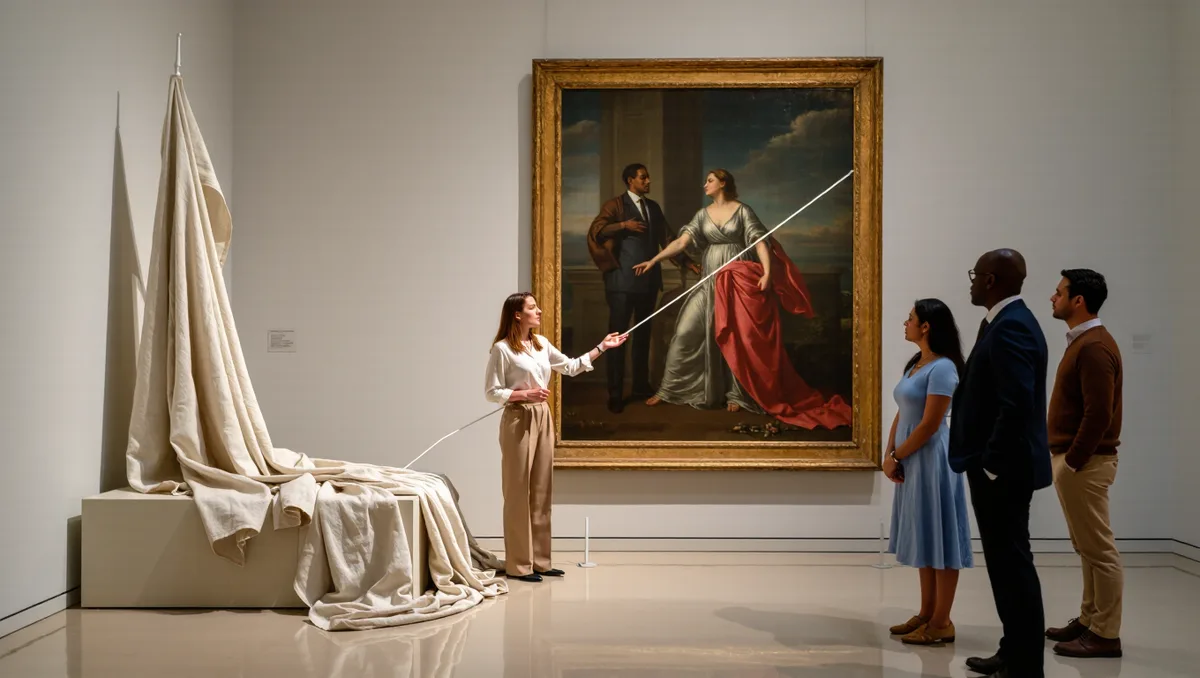
A step-by-step method for standing in front of any canvas and finding what it is actually saying.
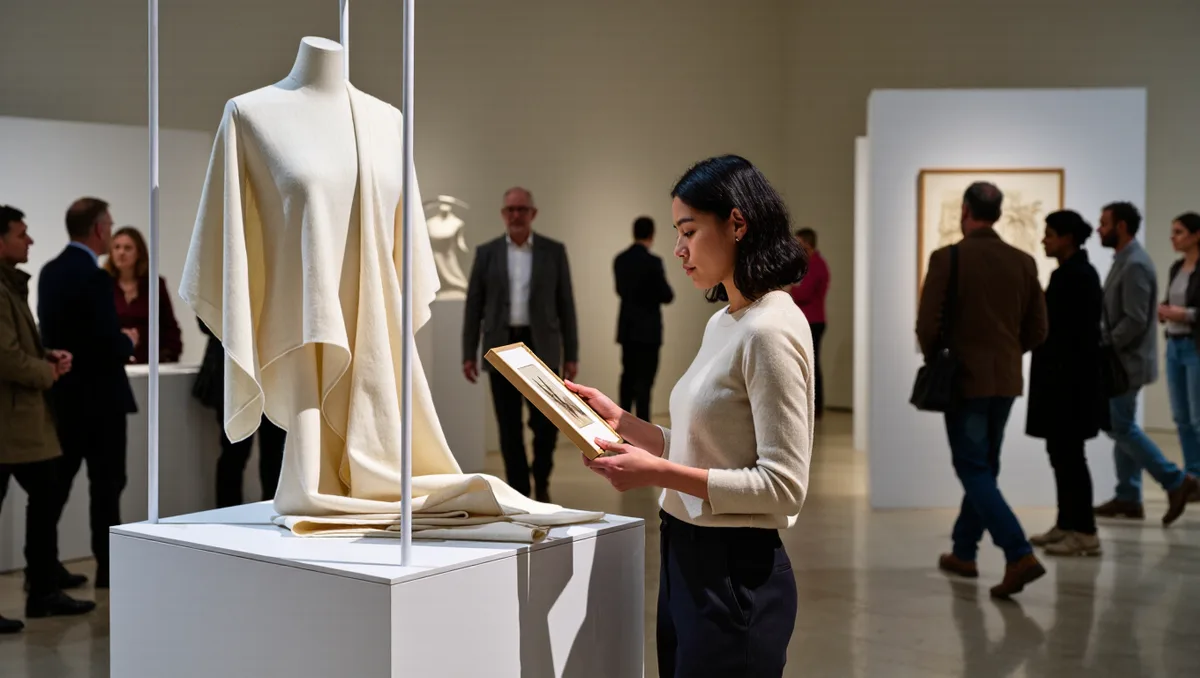
A collector's eye is built, not bought — and the first ten works cost less than the first one would if you waited.
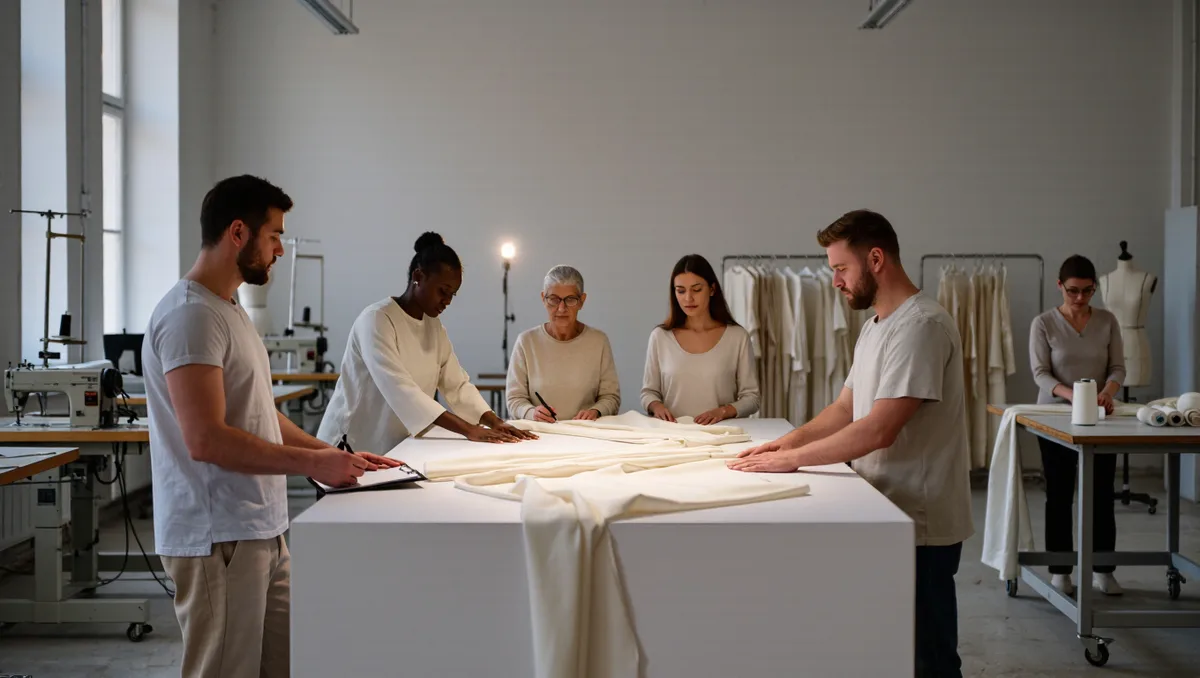
A single dress makes a long journey before anyone photographs it. Here is the route it travels, from first drawing to final fitting.
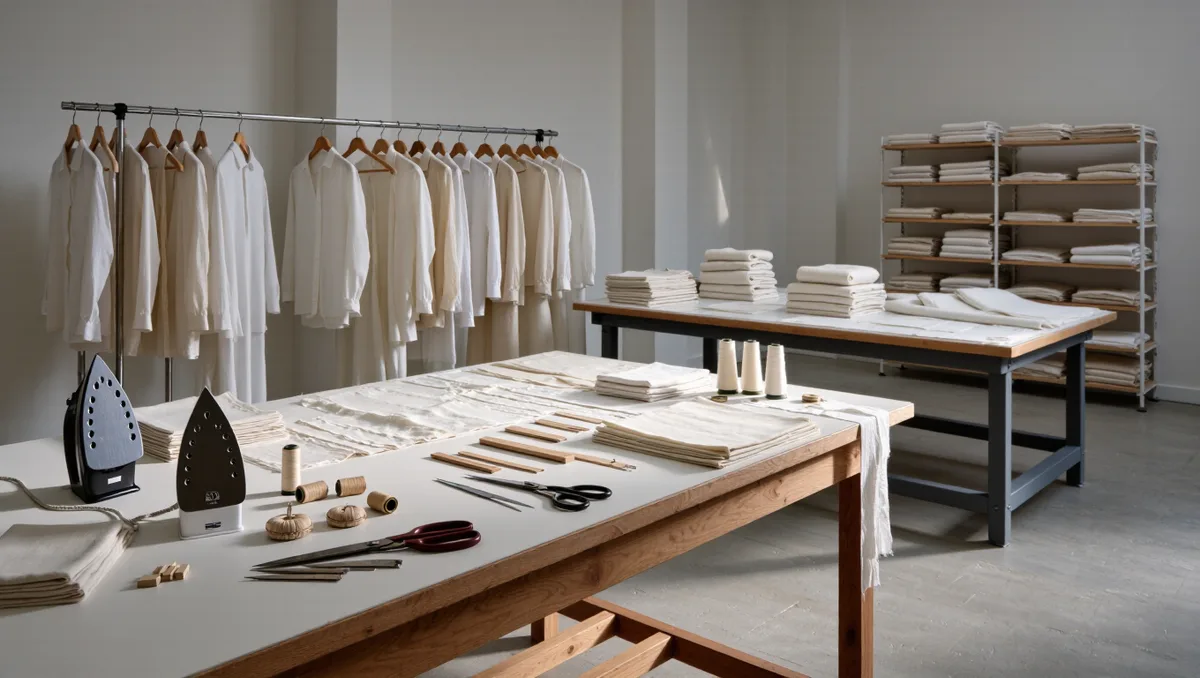
Before the logo, before the label, there is the join — and the houses that sew their names into it.
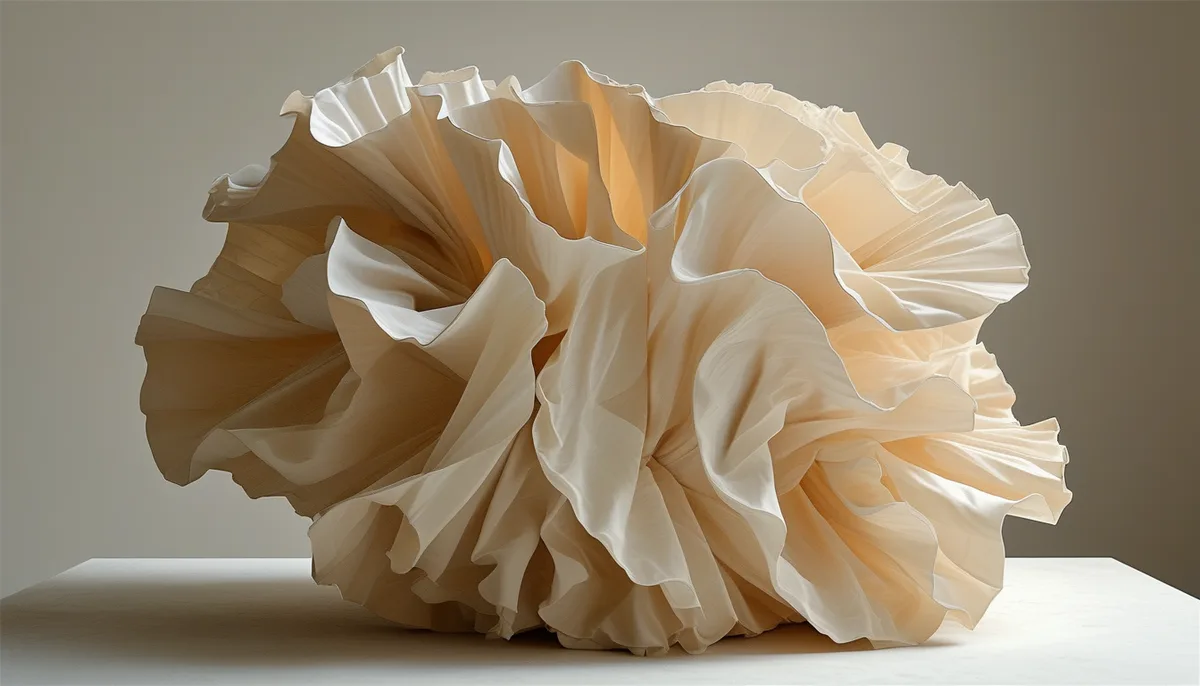
Before the silhouette, before the show, there is the cloth. Fabric selection is the quiet decision that tells you who a house is.
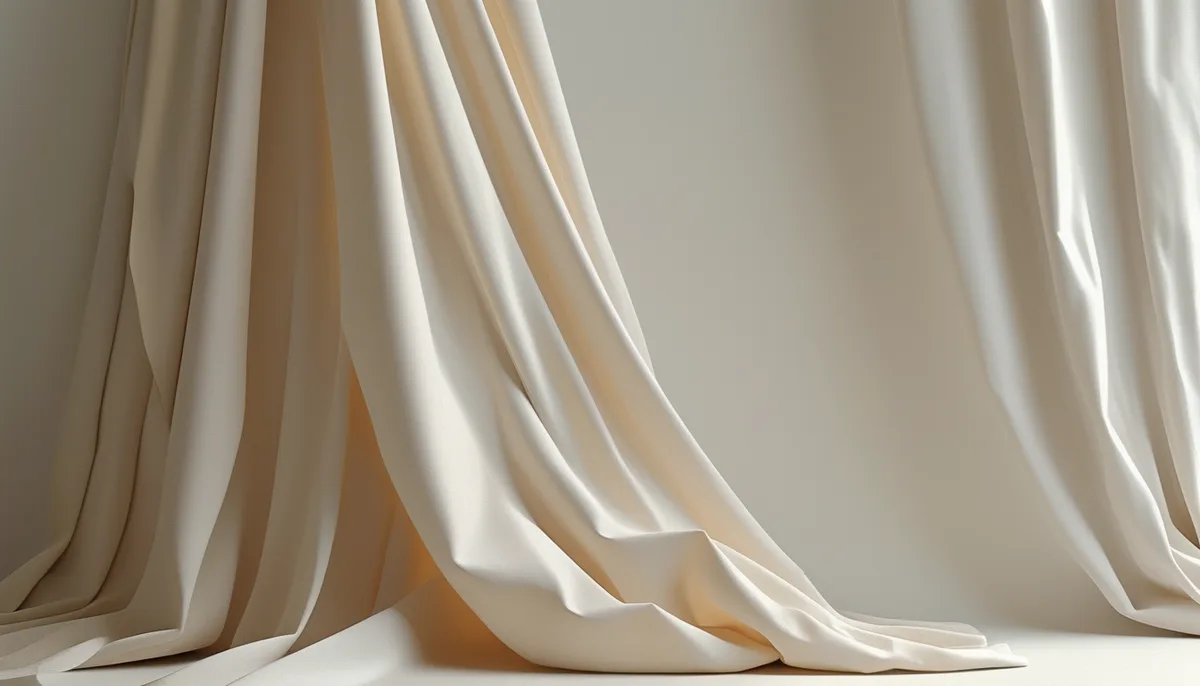
Contouring is less a trend than a drafting exercise — shadow placed where light would fall, and adjusted face by face.
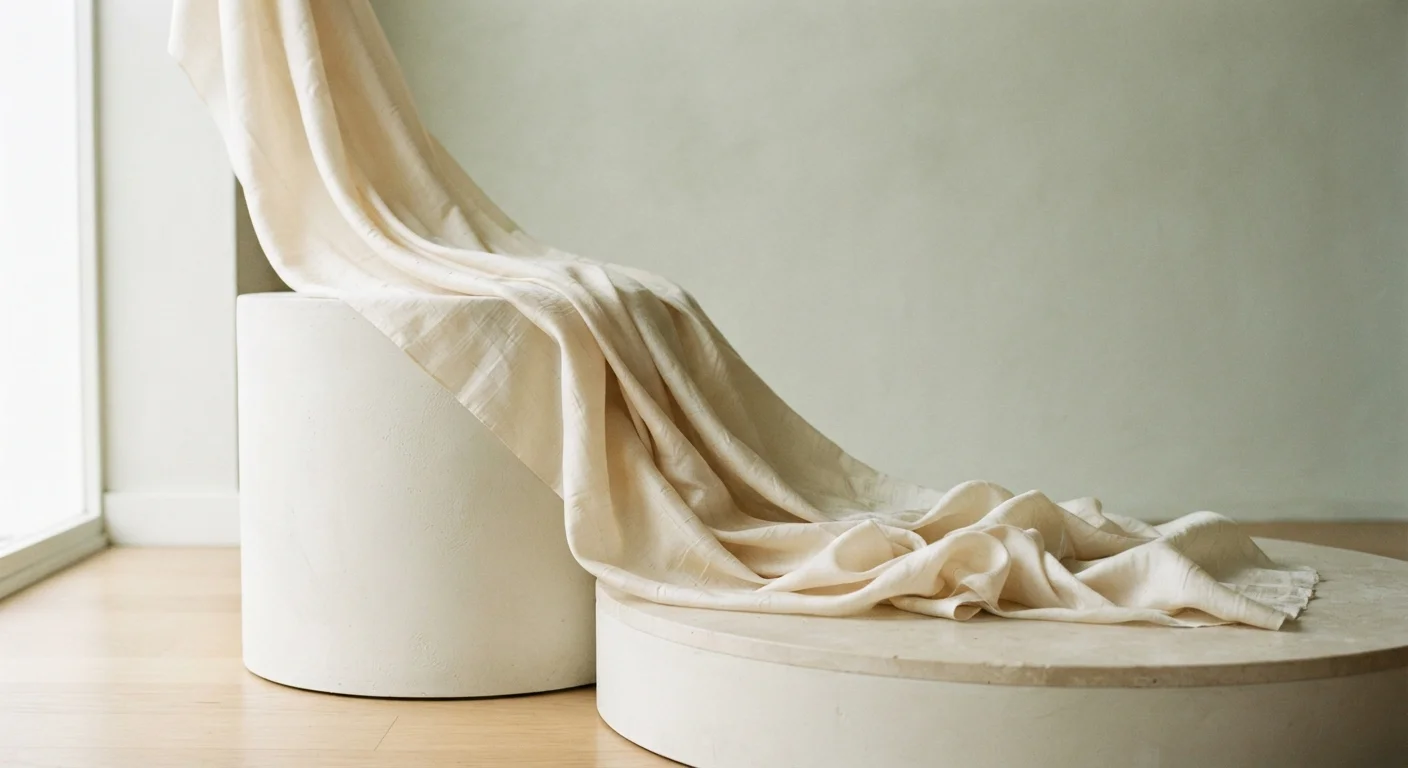
The bias cut is cloth turned diagonally — laid at 45 degrees to the woven grain — so that it drapes rather than hangs, stretching with the body's movement and clinging to its contour without a single dart, and the…
The Met's Costume Institute holds more than 33,000 garments and accessories, and its fifty-year project of exhibiting dress as art history changed how both museums and fashion houses understand the garment.