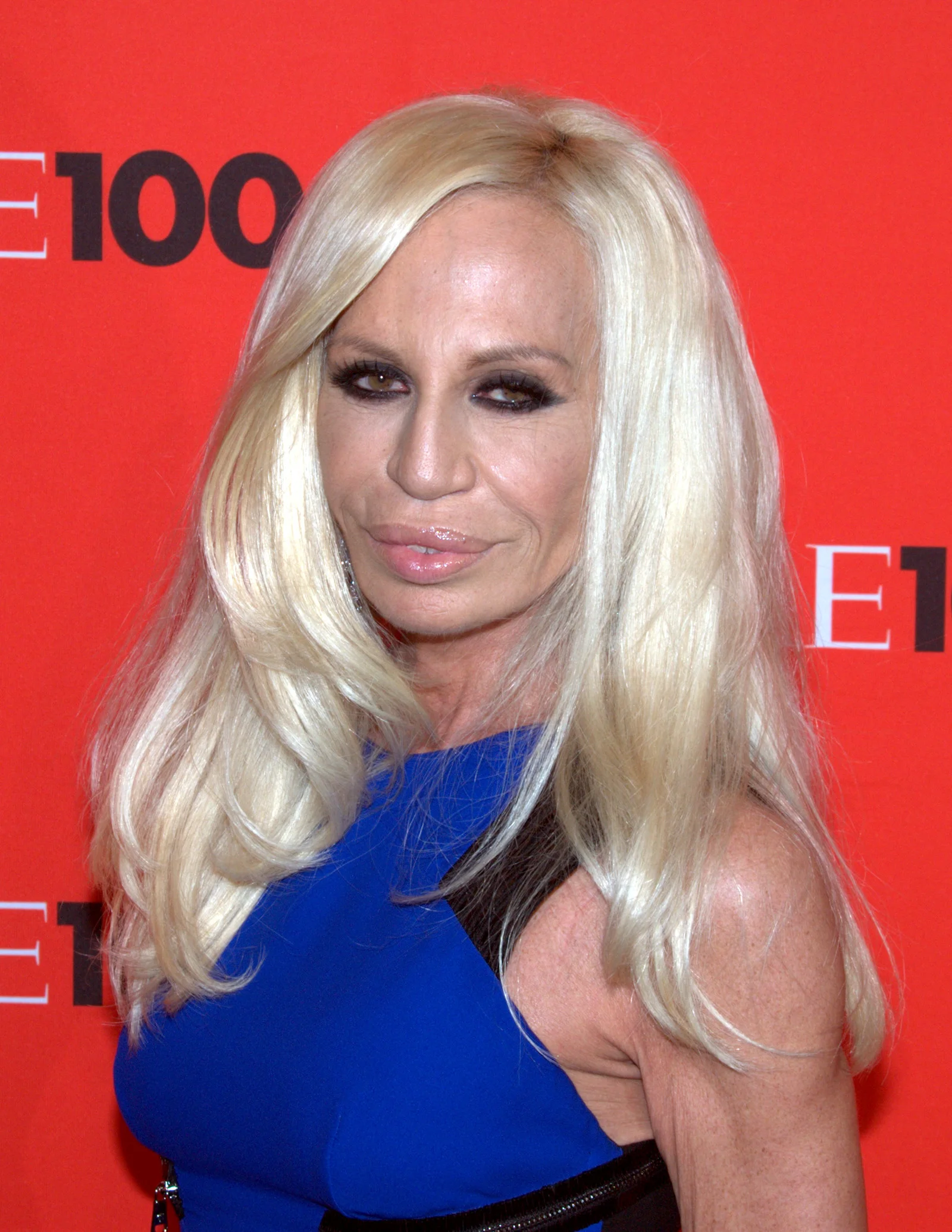
Versace announced on March 13, 2025 that Dario Vitale, previously Miu Miu's design and image director, would become the house's chief creative officer, with Donatella Versace stepping out of the design role she had held since 1997 into the newly created position of chief brand ambassador, per The New York Times. It was the first time in the house's history that a designer outside the Versace family took the creative lead, and for that reason alone the appointment mattered beyond Milan.
Why did Versace break with the family line?
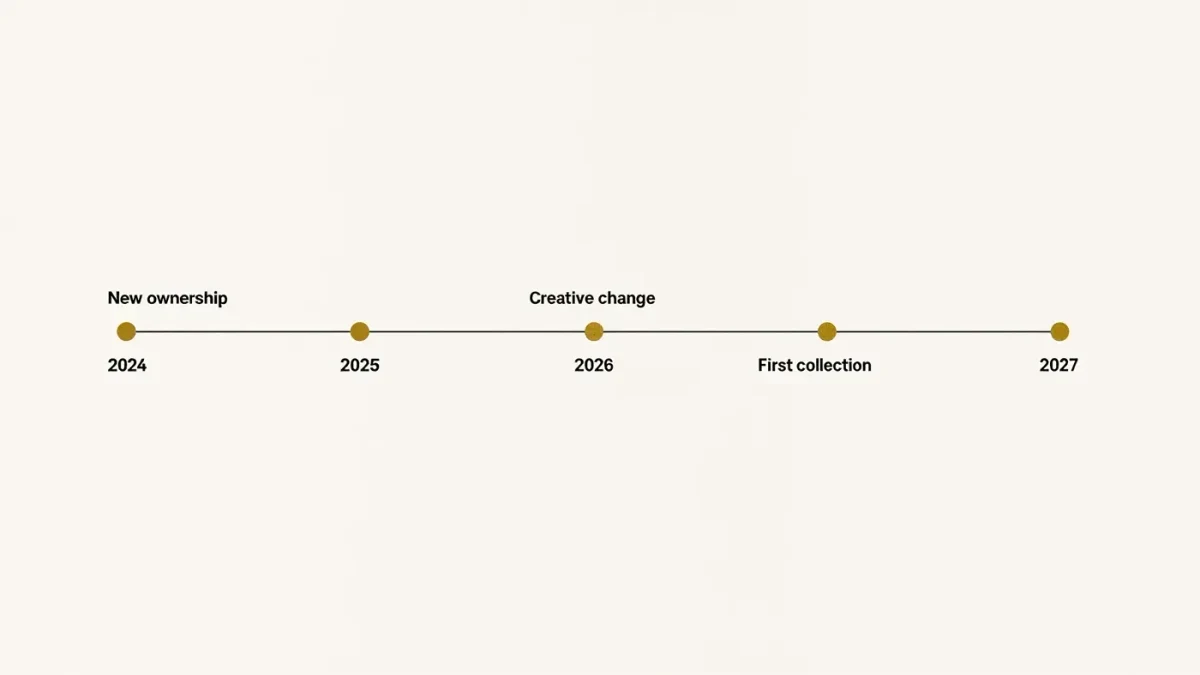
The house had spent nearly three decades under a single authorial voice. Donatella Versace led design from Gianni's death in 1997, and the announcement framed her move as an evolution rather than a retreat: she remains the house's public face globally. What changed is structural. Weeks after the appointment, the Prada Group agreed to acquire Versace from Capri Holdings, per The New York Times, which means the incoming designer was hired against the backdrop of an ownership change — a rare combination of creative and corporate transition arriving together.
What does a Miu Miu hire signal for the house language?
Vitale's profile points to a specific lesson drawn from his former employer. At Miu Miu he worked on design and image together, in a house whose commercial momentum came from tight, wearable collections with a distinct attitude rather than spectacle. For Versace, whose codes — the Medusa, the safety pin, baroque print — were built for maximum visibility, the signal is a shift toward wardrobe, product discipline and image control. That reading was confirmed in practice: Vitale presented his first and only collection for the house in September 2025, and per WWD, Versace announced his exit effective December 12, 2025, less than a year into the mandate.
What the short tenure says about the model
The speed of the reversal is the finding. A first-ever break from family succession, followed by a single collection and a December departure, documents how compressed the patience for creative transitions has become — and how the Prada acquisition reshaped the role's brief mid-stream.
Why does this appointment matter to the wider industry?
Because it tested a proposition other houses were watching in the same season: whether a heritage brand can absorb an outsider without the founder's aura. Versace's answer, so far, is that the aura itself was the asset being protected — Donatella's ambassador role keeps it in place while the design chair stays in play. For readers tracking the 2025 wave of creative-director changes, Versace is the case where the corporate, creative and symbolic layers all moved at once.
Timing sharpened the story. The Versace announcement landed on March 13, 2025 — the same day Kering confirmed Demna at Gucci — and together the two news items opened the year of musical chairs that reshaped nearly every major Italian and French house. Versace's version was the only one that also involved an ownership change, a family succession broken and a founder's archive in transition at once, which is why it remains the sharpest case study of the cycle.