Artificial nails are, by definition, things made by human hands to imitate something natural — Merriam-Webster defines the word as "made, produced, or done by humans especially to seem like something natural," and the nail salon is one of its most literal workshops. The four main systems — gel, acrylic, dip powder, and press-ons — all promise the same thing: length, shape, and color that a bare nail won't hold on its own. Where they differ is in how they're built, how long they last, and what they ask of the natural nail underneath.
Which system is best depends on what you value most. Gel offers a flexible, natural-looking finish with moderate durability. Acrylic is the strongest and most forgiving for long lengths. Dip powder sits between the two, hard and quick to apply. Press-ons are the cheapest and gentlest, but the least permanent. This guide compares all four on durability, damage, and cost — in general terms, since prices and wear times vary by salon, region, and nail condition. For related coverage, see Hair as Sculpture: From the Mod Bouffant to the Architectural Updo.
What exactly is each system made of?
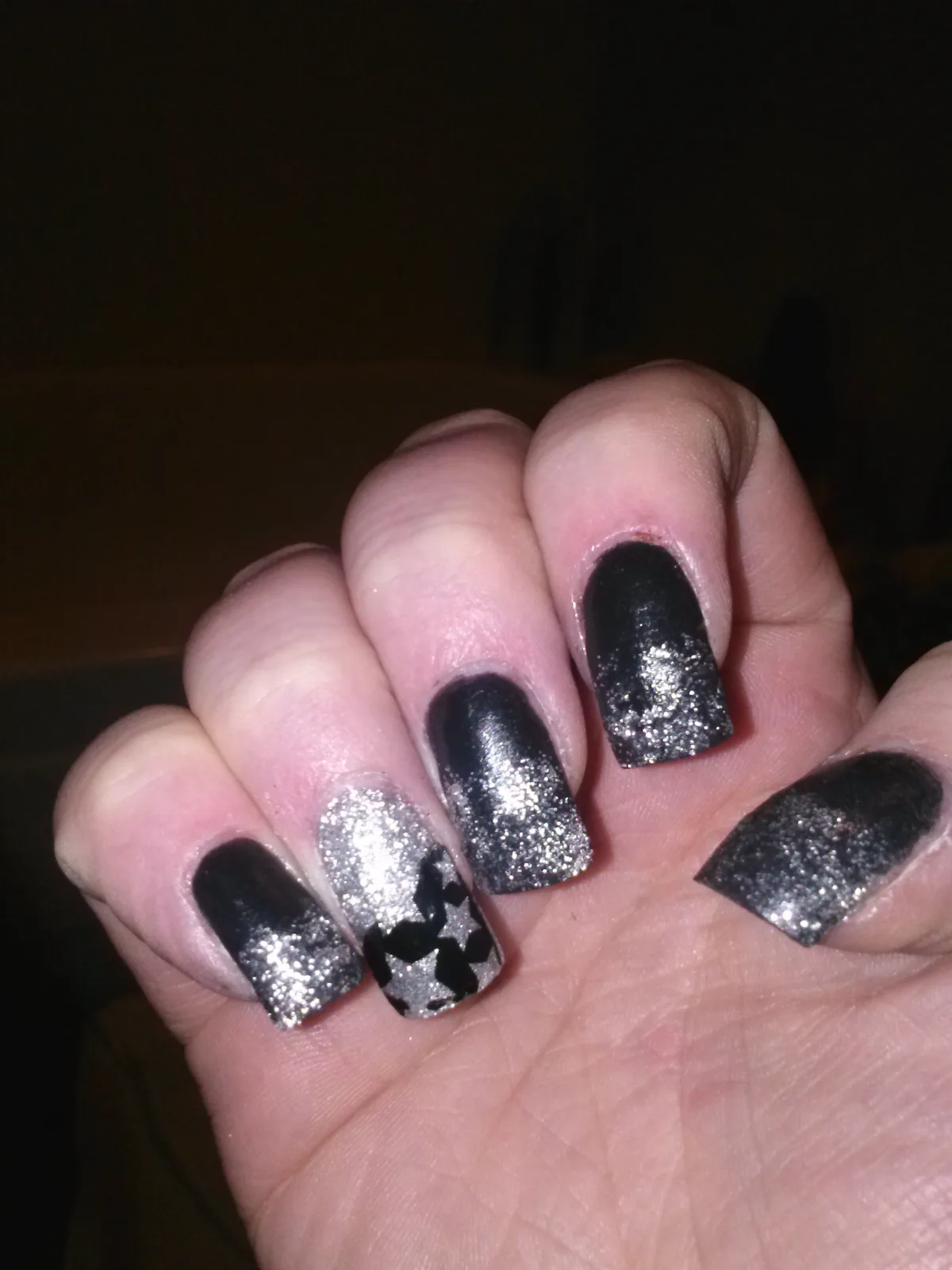
Gel polish is a soft gel that stays pliable until it's cured — hardened — under a UV or LED lamp. It's applied over the natural nail or over a gel extension, in thin layers. The cured result is glossy and slightly springy, which is why gel tends to flex with the nail rather than fight it.
Acrylic is the oldest of the salon systems. A liquid monomer and a powder polymer are mixed into a bead that a technician sculpts directly onto the nail, either on a form or a plastic tip. It hardens in air, no lamp needed. The result is rigid and strong — the material of choice for dramatic length and sculpted shapes.
Dip powder, sometimes called SNS after one well-known brand, is a hybrid. The nail is painted with a resin base, dipped into a colored powder, and sealed with an activator. No lamp is required for the color layers, though some finishing steps may use one. It's faster than acrylic and harder than gel.
Press-ons are pre-shaped plastic nails glued or adhered at home. They range from drugstore kits to custom sets painted by independent nail artists. The material is usually ABS plastic — the same family of plastic used in many household items — and the wear depends almost entirely on the adhesive.
Which artificial nails last the longest?
Acrylic generally wins on raw durability. Its rigidity resists snapping, and it's built to be filled — the regrowth at the cuticle is refilled with fresh material rather than the whole set being removed. Gel manicures typically last several weeks before noticeable regrowth or lifting, less than a well-maintained acrylic set but more than most alternatives. Dip powder wears comparably to gel; its hardness makes it resistant to chipping, though a hard material on a flexible nail can sometimes pop off in one piece rather than chip gradually.
Press-ons are the shortest-lived by design. A glue-on set may hold for a week or two with care; adhesive-tab sets are meant to be removed within days. What they lose in wear time they gain in reversibility — a damaged press-on is replaced in seconds, not a salon visit.
One honest caveat: wear time depends heavily on the individual. Nail oil exposure, typing, water, and how fast your nails grow all matter more than the label on the bottle. Any figure a salon quotes is an estimate, not a guarantee.
What does each system do to the natural nail?
This is where the ranking gets uncomfortable, because the honest answer is that every artificial nail system involves some trade-off, and the damage often comes from removal rather than wear.
Gel's main risk is the removal process. Cured gel doesn't dissolve easily, so it's usually soaked off in acetone after the surface is gently filed. When removal is done patiently, the nail underneath is largely unharmed. When it's peeled or pried off, the top layers of the nail plate come with it. The UV or LED lamp is a separate consideration — the exposure per session is brief, but it's real, and some people use fingerless gloves or simply accept it.
Acrylic removal also involves acetone soaking, often after filing the bulk down. The sculpted material is thick, so the process takes longer than gel. The nail itself isn't drilled into if the technician is careful, but a heavy-handed e-file can thin the plate noticeably.
Dip removal is the least gentle of the salon trio in practice. Because the powder layers are dense, they often need aggressive filing before soaking, and the temptation to scrape off the last stubborn layer is where most nail damage happens.
Press-ons are the gentlest system, provided they're removed correctly — a soak in warm, soapy water or acetone rather than force. Ripping off a glued press-on takes nail plate with it, same as peeling gel. The system isn't the problem; impatience is.
What does each option cost?
Cost splits into two columns: the salon bill and the time between bills.
Press-ons are the cheapest entry point by a wide margin — a drugstore kit costs about as much as a coffee, and even custom hand-painted sets from an independent artist cost less than a salon service. Reapplication at home costs nothing but time.
Gel manicures sit in the mid range, typically priced above a basic polish service but below full sculpted sets. Dip powder services are usually priced similarly to gel, sometimes a little higher. Acrylic sets, especially long sculpted ones, are generally the most expensive salon option, and the cost compounds because they're maintained with regular fill appointments rather than removed and restarted.
Exact prices vary enormously by city and salon, so treat any published figure as a starting point and ask your own technician. What holds everywhere is the ratio: press-ons cost the least and last the least, acrylic costs the most and lasts the longest, and gel and dip occupy the middle on both counts.
Our analysis: how to choose between the four
Match the system to your actual life, not the ideal one. If your nails take daily punishment — typing, gym, housework — acrylic's rigidity earns its upkeep. If you want a natural-looking finish and can commit to patient removal, gel is the balanced choice. If you like the hardness of acrylic but want a faster appointment, dip is worth trying, with the removal caveat above. If you change your mind often, or you're giving your nails a rest between salon sets, press-ons are the system built for indecision.
Two habits matter more than the brand. First, whichever system you choose, remove it slowly — soaking, not peeling. Second, give the natural nail a break between sets; the nail plate is living tissue at the cuticle and dead keratin at the free edge, and it can't regenerate once surface layers are torn away.
There's also a cultural reading worth making. Nails have moved from salon service to visible craft — the way hair and makeup did before them. AWH's own coverage of image-making, from Hair as Sculpture: From the Mod Bouffant to the Architectural Updo to The Contour Blueprint: How Makeup Artists Map the Face for Camera, traces the same arc: a backstage technique becoming a front-of-camera art form. Artificial nails are simply the newest canvas in that sequence, and the four systems above are its four paints. This connects to our earlier piece, The Contour Blueprint: How Makeup Artists Map the Face for Camera.
Where does the nail industry go from here?
The evidence in front of any consumer points one way: toward systems that promise salon durability with less trauma at removal, and toward press-ons that look less like a compromise and more like a choice. Nothing here is settled — formulas change, and so does the research around lamp exposure and nail health. What the comparison establishes is the current trade-off, plain and unglamorous: durability costs money and patience, gentleness costs wear time, and no system has escaped that bargain yet. Until one does, the best artificial nail is the one whose removal you're willing to sit through.