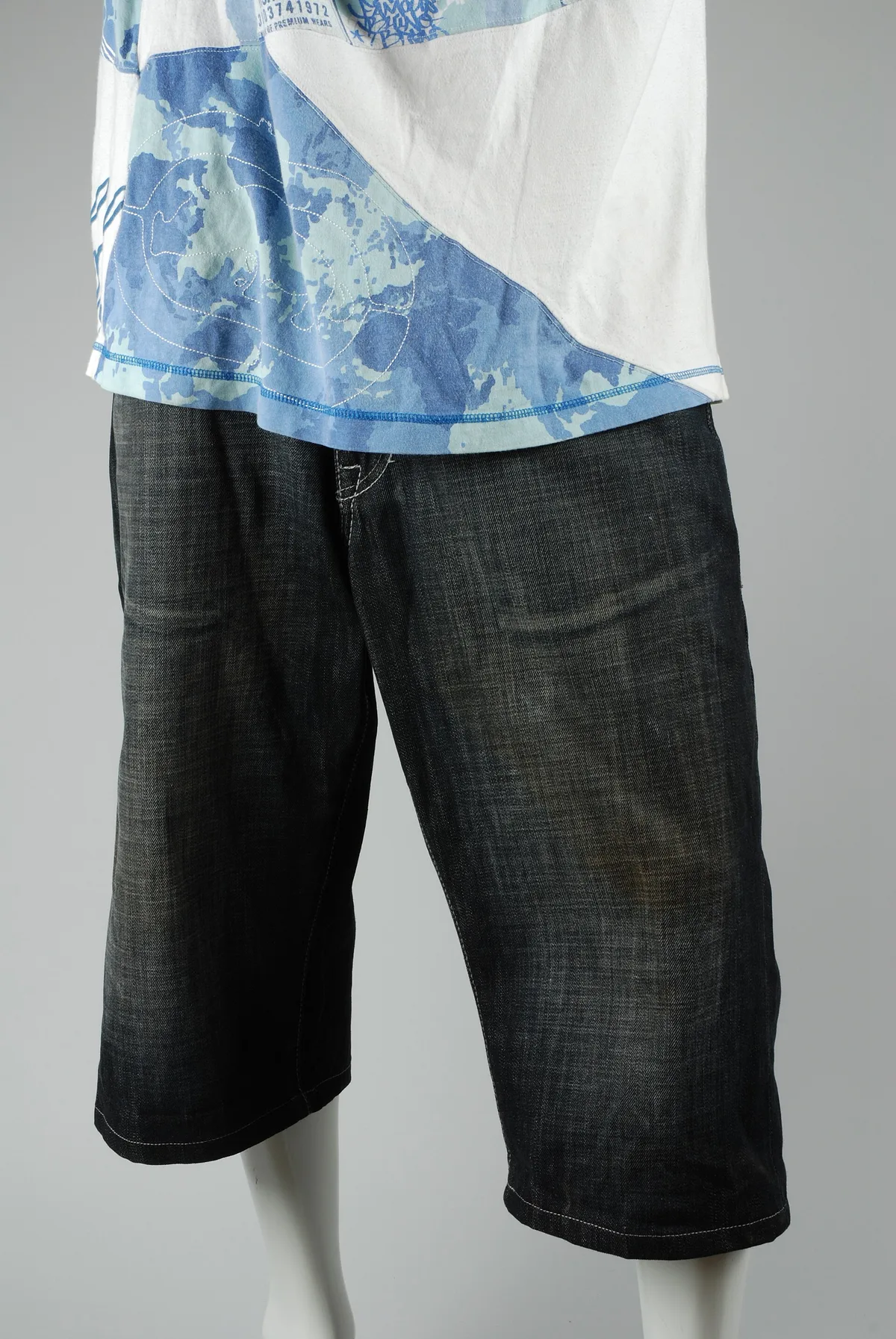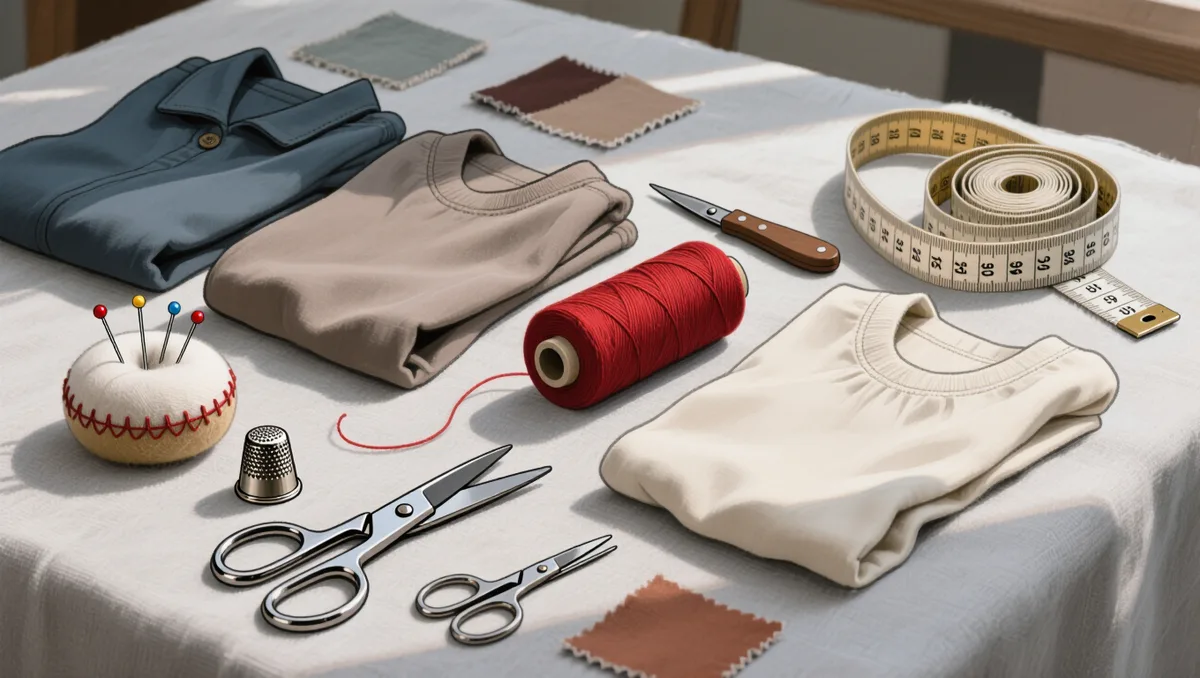
A collection is decided long before the runway. It is decided at the swatch table, where a designer weighs a bolt of cloth in one hand and asks a plain question: is this us? The answer, repeated season after season, becomes a brand's DNA. Fabric selection in fashion is not a supply-chain detail. It is the first act of creative direction, and often the most honest one.
Cloth carries identity more reliably than a logo does. A heavy, matte wool reads as one kind of house; a fluid, light-catching silk reads as another. Cut can be copied, styling can be copied, but a material signature — the same hand-feel, the same weight, the same way a fabric moves — is harder to fake and easier to recognise. That is why the swatch, small as a postcard, is where a designer's vision is most legible.
This piece looks at how material choices work as a directional language: what a swatch actually decides, how weight and finish shape a silhouette, and what it means for the clothes a reader might live in. It is an essay in direction — the discipline of choosing, before anyone sees the result, what a brand will feel like.
What does a fabric swatch actually decide?
More than it appears to. A swatch fixes three things at once: how a garment will hang on the body, how it will behave in motion, and how it will photograph. A crisp cotton poplin holds an edge and casts a clean shadow. A washed silk crepe collapses softly and blurs its own outline. Neither is better. Each declares a different idea of the body and the brand.
The swatch also decides the limit of the design. A fabric that will not hold a pleat rules out pleats. A knit with no recovery rules out a close, tailored line. In this sense, material selection is not decoration on top of a vision — it is the vision, expressed as constraint. Designers who understand this start with the cloth and let the silhouette follow, rather than sketching first and hunting for a fabric to survive the sketch.
There is a practical layer too. The same swatch determines cost, care requirements, and how a garment ages. A house that chooses fabrics which improve with wear is making a statement about longevity, whether or not it says so out loud.
Weight and drape: the silhouette's first author
Weight is the most underrated tool in the studio. It is the difference between a coat that stands away from the body and one that settles against it, between a trouser with a break and one that pools. Drape — the way cloth falls under its own weight — is decided by fibre, weave, and finish together, and it does more to define a house's line than any single pattern cut.
Consider two houses with opposite material instincts. One works in dense, structured cloth: the garment is architecture, holding its shape when empty on a hanger. The other works in fluid, bias-cut fabric — cloth turned diagonally so it follows the body rather than standing off it. The silhouettes differ, but the deeper difference is in the swatch. Each house has chosen, in advance, what a body looks like in its clothes.
Weight also signals intent without a word. Heavy fabric suggests permanence, ceremony, protection. Light fabric suggests movement, ease, transience. A creative director who changes a house's signature weight is changing its message more fundamentally than by changing a colour palette. Colour comes and goes between seasons; hand-feel tends to persist, and readers of clothing feel that persistence even when they cannot name it. For related coverage, see The Casting Director's New Authority: Who Assembles Fashion's Faces.
Finish and surface: the face the brand shows
Finish is the swatch's second signature. The same base cloth can be brushed, calendered, garment-dyed, waxed, or left raw, and each treatment sends a different signal. A raw, slubby texture reads as handcraft and imperfection. A polished, uniform surface reads as control and precision. Matte reads quiet; sheen reads occasion.
Surface is also where material identity becomes photographable. In an era when a collection lives or dies in images — on the runway, in the lookbook, in the campaign — a fabric's behaviour under light is a directional decision of the first order. A high-shine satin photographs as event-wear even in a simple shape; a dry, light-absorbing wool photographs as everyday even in an extreme one. Houses that understand this choose their surfaces partly for the camera, which is one reason the lookbook and the campaign have become such sensitive registers of a brand's material language. This connects to our earlier piece, The Lookbook: A Short History of Selling Without a Runway.
The most disciplined houses keep their finishes within a narrow band. The consistency is the point: the reader learns what the brand feels like, and the brand keeps its promise.
Sourcing as a directional act
Where a fabric comes from shapes what a brand becomes. Sourcing decisions — which mill, which fibre, which country — determine not only quality and price but the story a house can truthfully tell. A designer who builds around a single specialist mill inherits that mill's capabilities and its limits, and those limits become part of the house's style. Scarcity, in fabric as in art, can be a signature: a cloth only one mill can make is a moat no logo can copy.
Sourcing also sets the pace of a brand's evolution. Houses tied to long lead times and small-batch weaving change slowly, and that slowness reads as conviction. Houses built on fast, flexible supply can chase a trend, but they risk dissolving the material consistency that made them recognisable. The designers who endure tend to be the ones who treated their supply relationships as part of the creative work, not beneath it.
Our analysis: the swatch table and the sourcing map are where a brand's values are actually set. Everything downstream — the show, the campaign, the store — amplifies or betrays that first choice, but it cannot replace it.
What this means for the wardrobe
The reader can borrow the designer's method. Before judging a garment by its cut or its price, judge it by its cloth: hold it, weigh it, scrunch it, watch it fall back. Does the hand-feel match the life you will give it? A fabric that pills, droops, or demands dry-cleaning after one wear may not earn its place, however good the design looks on the hanger.
A long-life wardrobe is built on material honesty. Choose a narrow band of fabrics you actually wear — a weight you trust, a finish that suits how you move — and let silhouettes vary within it. This is precisely how the strongest houses operate, scaled down to a closet: consistency in the material, freedom in the shape. The swatch, in the end, is brand DNA for a reason. It is the smallest possible sample of everything that follows.
What the evidence of fashion history establishes is that material signatures outlast trends; what remains unknown, for any given house, is whether the next creative director will protect that signature or trade it. That choice, like the first one, will be made at the swatch table.