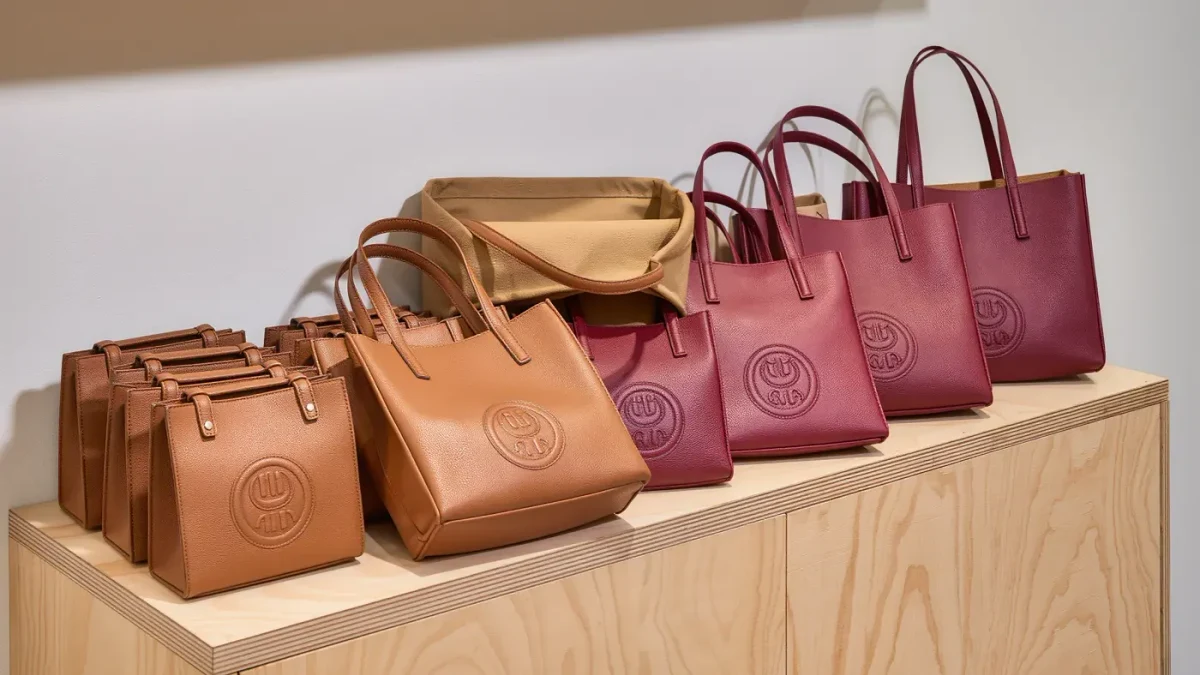
Telfar Clemens built the rare fashion business whose slogan is a price: the Telfar Shopping Bag — a vegan-leather tote in the proportions of a supermarket bag, priced from well under the threshold of traditional luxury — became, after its 2014 launch and its cult acceleration in the late 2010s, a documented case that access itself can be a design signature. The bag won the American Accessories Designer of the Year award from the CFDA in 2021, per the council's announcement; its drops sold out in minutes and crashed the brand's website repeatedly; and Clemens, who had run the label since 2005 without outside investment, used the demand to invent retail mechanics — the Bag Security Program pre-order of 2020 guaranteed every order — that the industry has since studied as a model. The claim, printed on the label, is not a slogan but a balance sheet: not for you, for everyone.
Who is Telfar Clemens?
A Queens-born, Liberian-American designer who grew up between New York and Liberia's capital, Monrovia, and whose label has kept that double address ever since. Born in 1985, Clemens founded Telfar in 2005 while a student, and for its first decade the brand was a cult unisex line shown in New York — most famously at the 2016 runway show in the Bedford Avenue L-train subway station in Williamsburg, per the show's extensive press coverage, and the 2018 show staged as a live TV broadcast with the comedian Innocence as host. The collections mixed workwear, athletic wear and church-influenced dressing into deliberately unisex uniforms; the point, as Clemens has told interviewers repeatedly, was clothing without a gender assignment at the pattern-making stage. The bag's 2014 launch — described by the brand as an original design carried by no one at first — turned the company's ethos into a single portable object.
Why is the Telfar bag so important?
Because it made the price the point without making cheapness the look. The Shopping Bag's duotone medallion, its three sizes (medium, large, small) and its deliberate resemblance to a retail shopping bag state the argument visually: a luxury object formatted like something you carry purchases home in. Its pricing — the medium launched around $150, per contemporaneous listings — placed it inside the reach of the audience that luxury marketing addresses but rarely sells to, and the resulting scarcity was a problem Clemens chose to solve by supply rather than by margin: the September 2020 Bag Security Program let customers pre-order bags with delivery months later, converting hype into a guarantee. The bag's cultural footprint — carried by celebrities including Oprah Winfrey and Bella Hadid, per widely documented appearances — did not change the pricing, which is the point critics and supporters agree on. The CFDA's 2021 accessory award formalised what the resale market had already priced: the most-demanded American bag of its decade was the inexpensive one.
An ethos with a business model
The model extended beyond the bag. Telfar partnered with White Castle in a series of projects culminating in a co-designed uniform program and capsule, per both companies' announcements; staged its TV-format shows; opened the pop-up concept Telfar TV in 2021 and launched a community investment scheme in 2021-22 that let customers buy equity shares in the brand, per the company's filings. In 2023 Clemens announced a partnership to open a bank branch concept, Telfar's Liberty, with the Liberty bank brand — an extension of the access argument into financial infrastructure, reported at the time by the business press. The through-line is distribution: control the supply, refuse the markup, treat the customer as a member rather than a target. The criticism the model invites is scarcity by accident — the site crashes and delivery waits drew genuine frustration — but the brand's answer has been capacity, not exclusivity.
What does Telfar change about design?
It changes the object of design from the product to the terms of sale. Clemens's unisex collections were the argument's first form; the bag made it mass; the pre-orders, the equity scheme and the bank concept made it systemic — a designer label whose innovations are logistical rather than decorative. Whether the model can scale without diluting is the open question, as it is for any access-based business; the record so far, documented in the CFDA award, the sold-out years and the company's ownership structure, is that Telfar has priced the dream within reach and stayed independent. The bag says what the whole project means: luxury is a format, and formats can be changed.
What did the shows argue?
Before the bag, the runway carried the philosophy. The 2016 Williamsburg subway-station show staged the unisex collections in a working station at rush hour, and the 2018 presentation, broadcast as a live television programme with hosts and commercial breaks, mocked the exclusivity of the front row by turning the show into mass media — everyone watching, per the brand's framing, held a front-row seat. Later formats, including the Telfar TV channel launched in 2021, continued the argument that distribution, not scarcity, is fashion's real creative medium. The casting has been consistently non-professional and diverse, in line with the label's founding refusal of gendered and exclusive dressing. Critics who found the formats gimmicky missed the documented consistency: the same access logic governs the bag's pricing, the pre-order system and the equity scheme, making the shows the theory and the operations the proof.
The international dimension is part of the model. Telfar's Liberian address is not ornamental: the brand has staged projects in Monrovia, per its announcements, framed its imagery around the Liberian diaspora, and treated the double homeland — Queens and Monrovia — as one market rather than a centre with a periphery. This distinguishes its access ethos from mere affordability: the argument is about who is addressed at all, in which countries, at which price, and the company's communications consistently name the audience rather than flatter it. The bag's slogan works in both directions at once — refusing the gatekeeper and claiming the whole world — and the business structure, independent and customer-owned in part, is built to keep both promises.