In November 1992, the fashion press gathered at Perry Ellis to watch Marc Jacobs send out a spring 1993 collection built entirely from grunge: thrift-store florals, layers, grime translated into silk. The collection is now one of the most discussed fashion moments of the decade, and its afterlife was immediate and cruel — Jacobs and his business partner Robert Duffy were dismissed from Perry Ellis within weeks of the show. What saved the story, in the long run, was not the clothes but the images made around them: a Vogue editorial photographed by Steven Meisel with Grace Coddington styling, and the argument the pictures made that a rejected collection could still define a decade.
What actually happened at Perry Ellis?
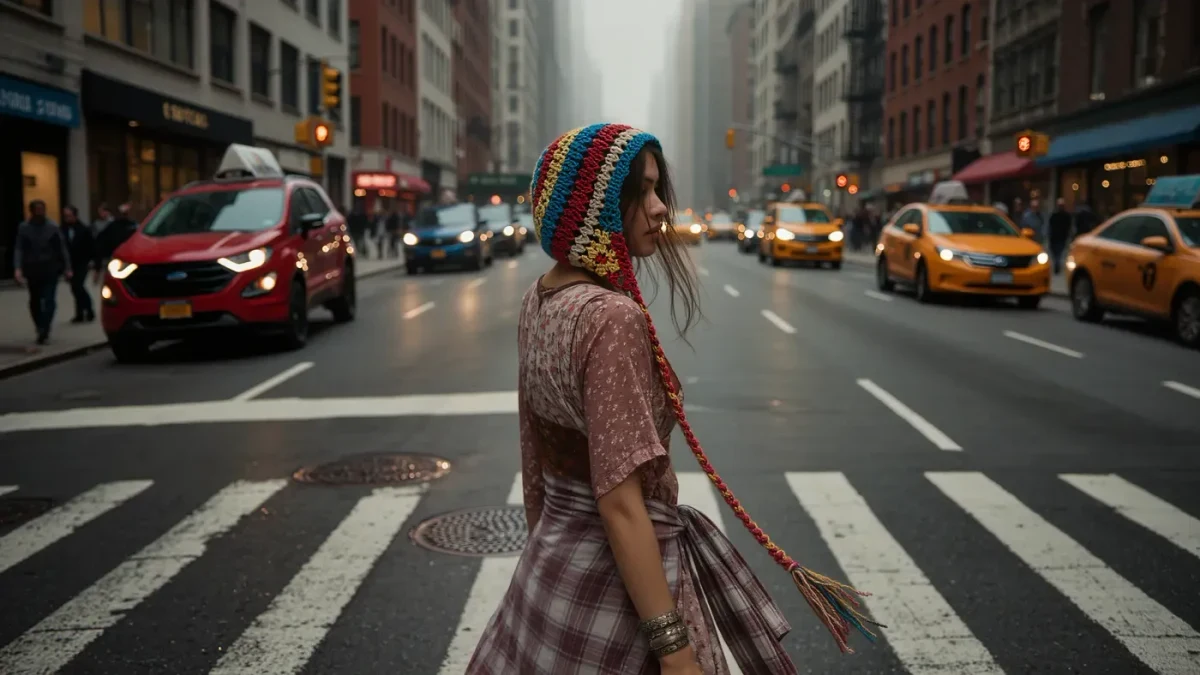
The show took place in New York in November 1992, presenting the spring 1993 collection that Jacobs designed under his own conviction that Seattle's music scene — Nirvana, Pearl Jam, the flannel uniform of a generation — was fashion's next material. He produced the looks himself: ball skirts in bed-sheet florals, crocheted caps, layering that read as deliberate poverty on a runway that had until then traded in polish. The collection did not sell and did not ship in the form shown. Suzy Menkes, reviewing for The New York Times, delivered the sentence the show is still quoted by: grunge, she wrote, was a trend that was over — done, dead, finished before it arrived.
Why did the pictures matter more than the show?
Because the collection's afterlife was carried by photography, not retail. For American Vogue's November 1992 issue, Steven Meisel photographed the grunge story with Grace Coddington styling, translating the runway's thrift vernacular into images with the seduction the runway had refused. The editorial — widely remembered under its "Grunge & Glory" title — put the collection's vocabulary in front of the magazine's mass audience before a single garment reached a store, and it documented the looks with a glamour that contradicted the show's anti-fashion posture. This is the recurring lesson of the episode: a collection can be commercially killed and visually immortal in the same season.
The shirt that outlived the label
Jacobs's own contribution to the afterlife was deliberately small-scale. He made a limited run of grunge-inspired shirts for friends and a handful of stores, a gesture that operated as both souvenir and argument: the collection mattered, whatever the sales figures said. The irony completed itself the following year, when the Council of Fashion Designers of America gave Jacobs the Perry Ellis Award for New Fashion Talent in 1993 — the industry honouring, in its own name, the designer the house had removed.
Did the ads try to save the collection?
The documented campaign history is thin, and that thinness is the point. Perry Ellis, a wholesale American brand with shareholders and order books, had little incentive to advertise a collection its own management had disowned, and no conventional grunge campaign is part of the record in the way the Vogue editorial is. What the record does show is that the collection's survival was editorial and archival rather than commercial: magazines, stylists and later historians kept the images in circulation until the market came around. By the mid-1990s, the layering, the florals and the deliberate roughness were being absorbed across the industry, and Jacobs's career — resumed at his own label, then at Louis Vuitton from 1997 — was built partly on the credibility the episode produced.
How did the images change the economics?
Editorial placement functioned, in effect, as the campaign the collection never had. A Vogue story photographed by Meisel reached more consumers than any wholesale account, and it converted a house's rejected idea into a magazine's own authority: readers encountered grunge as a sanctioned look, styled and lit, with none of the runway's ambiguity. Stylists began sourcing the vocabulary for their own pages, photographers kept returning to its textures, and within a few seasons the layering that had ruined an order book was standard equipment across contemporary brands. The lesson for creative direction is uncomfortable but durable: the value of an image does not respect the org chart that killed the product it depicts.
What does the episode teach about creative direction?
That timing is not the same as judgement. The 1992 show failed as a product launch and succeeded as a proposal: it identified a visual language months before the industry was willing to buy it, and it did so with total stylistic commitment. Creative direction is usually evaluated by its immediate commercial results, but the grunge collection demonstrates the opposite accounting — the value was in being early, specific and photographable. Menkes's obituary for grunge was accurate about the trend cycle and wrong about the idea; the images, not the orders, decided which of them history kept.
What remains contested about the story?
The mythology deserves its footnotes. Grunge on the runway sat within a longer American conversation about street dress and thrift aesthetics, and the collection was one expression of a shift already visible in photography and music press rather than a lone invention; Seattle's musicians themselves were famously indifferent to fashion's attention, and the term was used loosely in 1992 to cover everything the industry did not yet have a word for. What remains beyond argument is the sequence of documented events — the November 1992 show, the dismissal, the Meisel and Coddington images in Vogue, the 1993 CFDA award — and the pattern they established: fashion now canonises through imagery first and retail second, a reversal the industry has lived with ever since.