A creative director decides what a brand or publication looks like, sounds like, and feels like — and then makes sure everyone else's work adds up to that single picture. The job is less about making things and more about making things cohere. One person sets the point of view; a small army of designers, stylists, photographers and writers executes it.
So what does a creative director do, in plain terms? They define a visual and verbal identity, approve or reject the work made under it, and act as the bridge between the creative team and the commercial side of the business. The title carries authority, but the daily work is closer to editing than authorship: choosing, cutting, aligning, and occasionally making something themselves to show what they mean.
The role is easiest to understand by taking it apart. What follows is the job as it is actually practised — in fashion houses, magazines and agencies — and an honest look at what the title does and does not mean.
What does a creative director actually decide?
Three things, mostly. First, the point of view: what the brand believes, expressed through silhouette, colour, typography, casting, tone of voice. Second, the standards: how good is good enough, and what gets sent back. Third, the priorities: which campaign, which collection, which cover gets the budget and the calendar space this season.
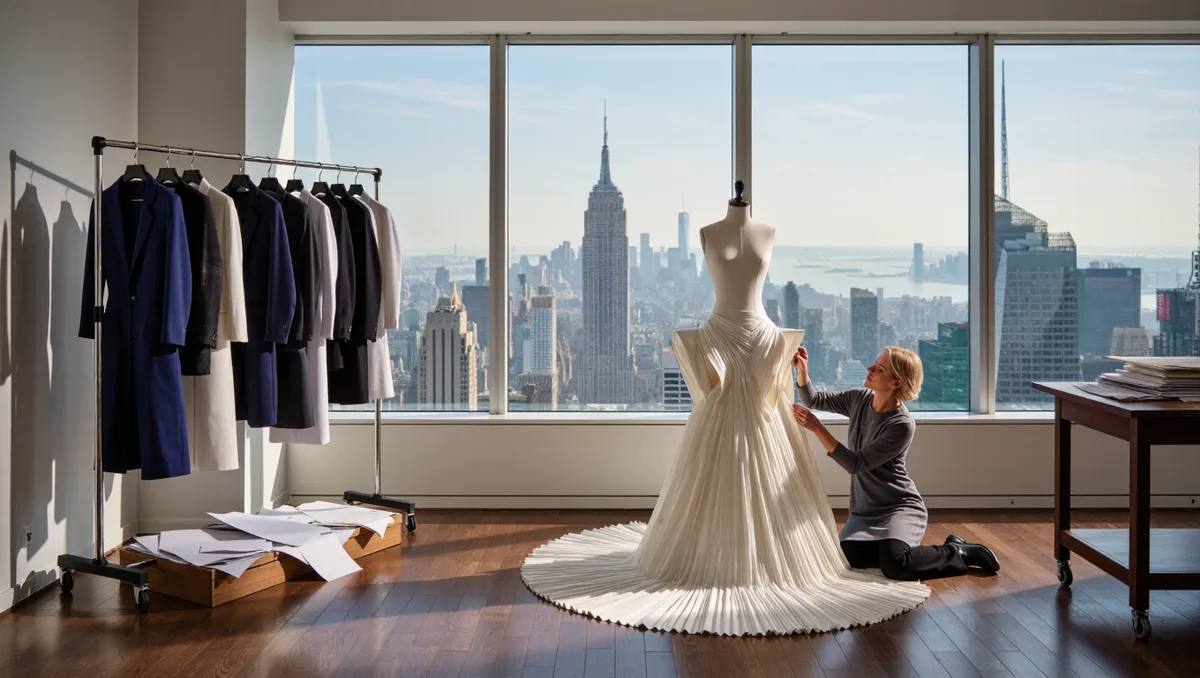
In fashion, the creative director shapes the collection's direction with the design studio, then extends that direction into everything the house shows the world — the set of the show, the campaign, the store windows, the packaging. The clothes are the centre, but the picture around them is the director's argument for what the clothes mean. A mood board, in this sense, is not decoration; it is the first version of the decision. We looked at that early-stage thinking in The Mood Board as Creative Manifesto: Reading the Visual Language Before the Garment. For related coverage, see The Mood Board as Creative Manifesto: Reading the Visual Language Before the Garment.
In publishing, the decisions shift toward the page: photography, illustration, layout, the ratio of text to image. In advertising, the director oversees concept and craft across campaigns, often pairing with a strategy lead who handles the business argument. The constants are taste, judgment and the final call.
Is a creative director a designer?
Not necessarily, and this is the most common confusion about the role. A designer makes the object. A creative director decides whether the object belongs in the picture. In smaller studios the two jobs collapse into one person; in large organisations they are distinct, and the director may never open a pattern or touch a layout program.
The distinction matters because the skills differ. Design rewards depth in one craft. Direction rewards range — enough fluency in photography, styling, graphic design and product to judge each one, without being the best at any of them. Many working directors came up through a single discipline and then widened. Others arrived from styling, art history or retail, where the training is in looking rather than making.
What unites them is accountability. When a collection is panned or a campaign falls flat, the director owns the outcome even if dozens of hands made the work.
What does the job look like day to day?
Less glamorous than the title suggests. A typical week mixes three modes:
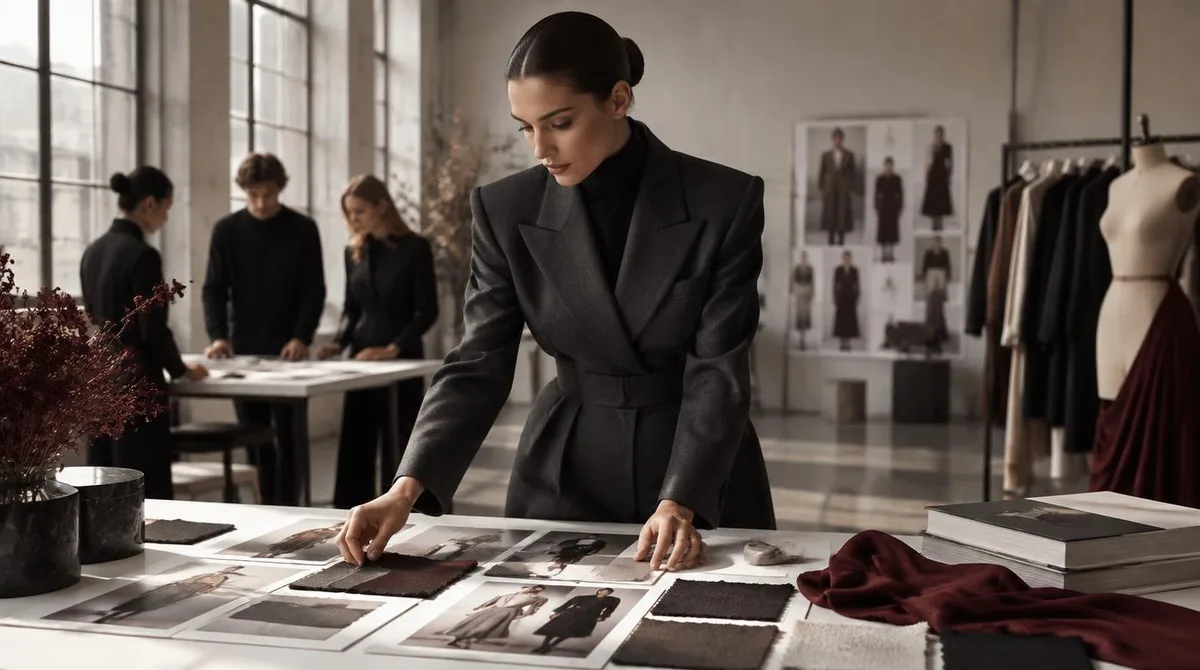
- Reviewing. Looking at work in progress — fabric swatches, photo edits, layout drafts — and giving a clear yes, no or not yet. The swatch matters more than most outsiders guess; material choice often settles a collection before a single garment is cut, as we explored in The Fabric Swatch as Brand DNA.
- Aligning. Meetings with marketing, retail and finance to keep the creative plan and the commercial plan from drifting apart. This is where the job is least artistic and most consequential.
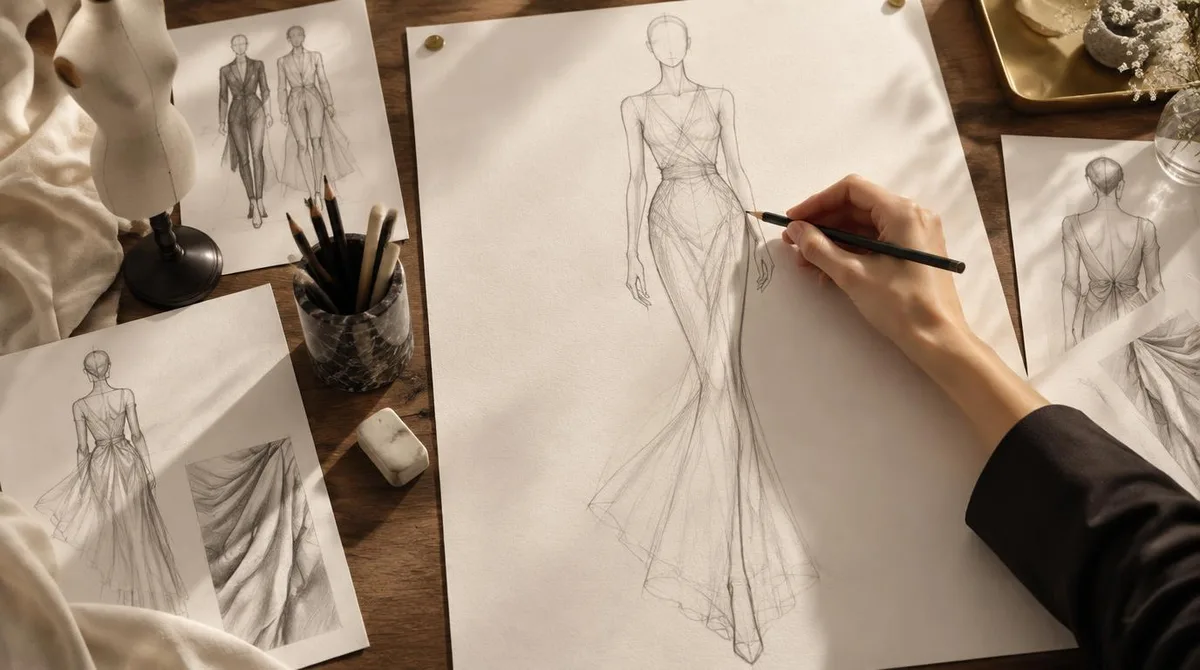
- Making. Sketching, art-directing a shoot, or rewriting a brief so the team aims at the right target. Good directors demonstrate rather than describe.
The rest is hiring and protecting the team. A director's real product, over years, is a group of people who can produce the house's picture without constant supervision.
How is the role different across industries?
The spine of the job is the same everywhere — set the vision, guard the standards — but the weight shifts. In fashion, the director answers for a runway collection and the commercial machine behind it; the casting, the set and the front row are all part of the statement, which is why the show itself is a directed performance rather than a parade. Our pieces on who assembles fashion's faces and the choreography of a show trace how much of that statement is made by people other than the designer. We covered a connected angle in The Casting Director's New Authority: Who Assembles Fashion's Faces.
In magazines, the director works in shorter cycles and in public: every issue is a verdict on the last. In advertising, the work is campaign-shaped and client-facing, so persuasion — of the client, not just the audience — is a core skill. In tech and product companies, the title often covers brand plus user experience, which pulls the director toward research and interface decisions a fashion house would never hand over.
What does not change is the relationship to art more broadly. The role sits inside a long tradition of applied creativity — work made for use and commerce rather than the gallery wall. As Wikipedia's overview of art notes, the split between fine art and applied or commercial art is a value judgment as much as a definition, and the boundary has always been porous. A creative director lives exactly on that porous line: making pictures for sale, with the ambitions of art.
What this means for anyone considering the path
Our analysis of the role comes down to this: the creative director is an editor with authority. The job rewards people who can articulate a point of view in one sentence, defend it with evidence, and let go of their own ideas when a better one arrives. It punishes people who want to make everything themselves.
Two practical notes. First, the path in is rarely titled. Assistants, stylists, designers and writers all grow into direction by showing judgment early — which is why the portfolio, and what gets a creative hired versus skipped, matters more than the job title on a CV. Second, the vision must be sustainable. A director who reinvents the brand every six months leaves nothing behind; the ones whose work lasts treat the brand like a long wardrobe — few moves, made well, kept for years.
The title will keep sounding grander than the work. The work itself is quieter: decide what the picture is, and make sure every picture the company puts out is the same one.