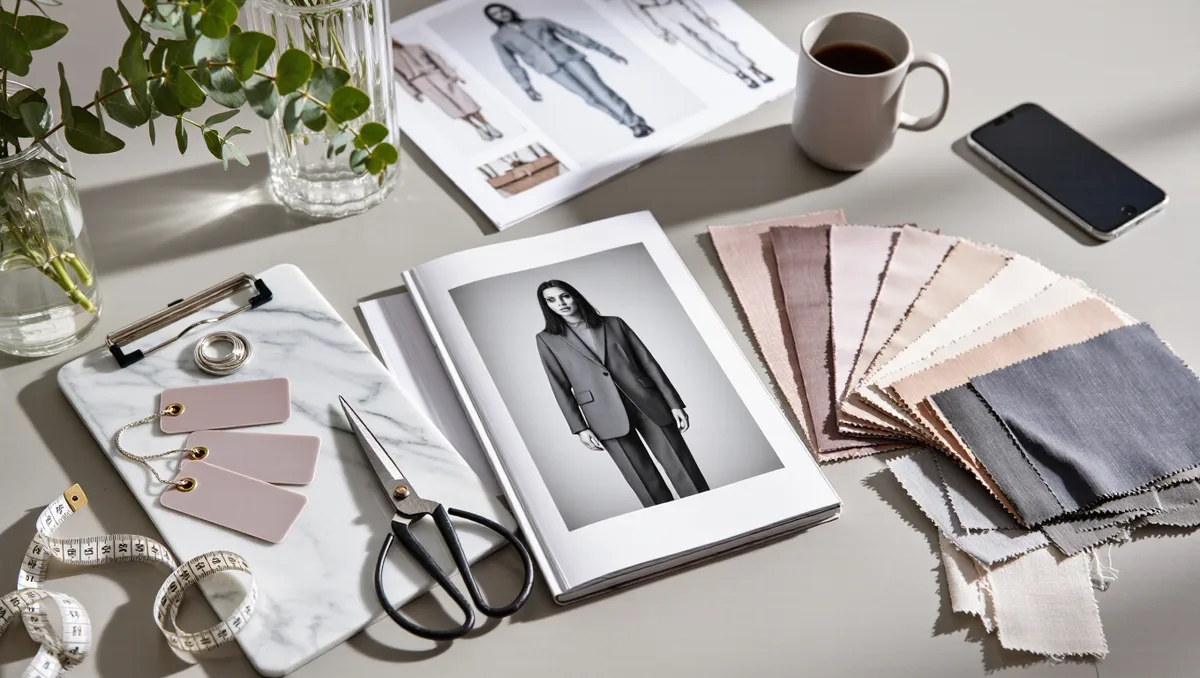
Long before the livestreamed runway, fashion sold its future through a paper object: the lookbook, the photographed presentation of a season's collection that buyers ordered from and journalists copied from, in the absence of any public show at all. Its ancestry runs from the wholesale line sheet — garment drawings, fabric swatches, price columns — through the mail-order catalogue that reached American homes by the 1870s, when Montgomery Ward began distributing one, to today's digital lookbooks that scroll like films. The format's history is the history of fashion's quieter transaction: how clothes are sold to the trade without a runway's noise.
What exactly is a lookbook?
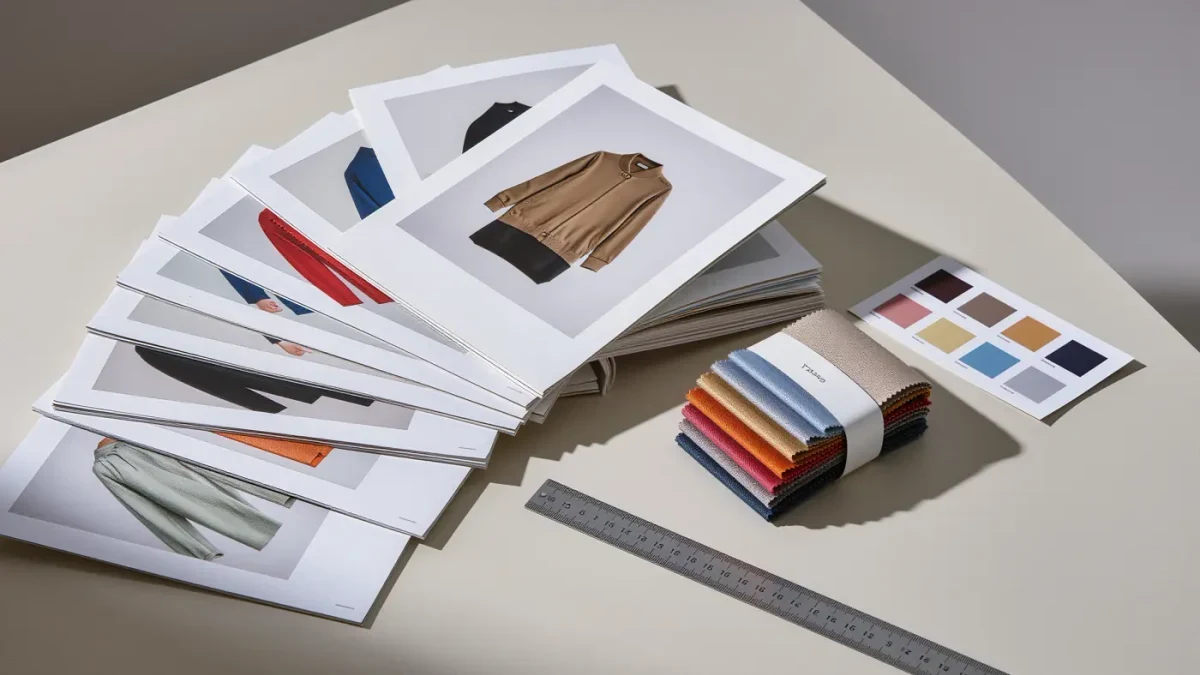
A sequenced photographic document of a collection, produced before or alongside delivery, whose first audience is professional: retail buyers who place orders from it, press who pull looks from it, and stylists who request it for shoots. Unlike an advertising campaign, a lookbook shows breadth rather than a single image — every look, or nearly every one, photographed in a consistent formula so that garments, proportions and colour stories can be compared. The genre's grammar was fixed by its function: neutral locations or studio backdrops, a consistent model or pair of models, minimal styling interference, and a sequence that walks the reader through the collection's argument in the order a showroom would.
Where did the format come from?
From commerce, not vanity. Nineteenth-century wholesale trade supplied drawn line sheets with swatches; the mail-order catalogues that followed — Montgomery Ward's from 1872, later Sears, Roebuck and Co.'s — proved that clothing could be sold nationally through reproduced images and written description alone, a radical decentralisation of fashion away from the cities that made it. The twentieth-century lookbook refined this instrument for the luxury trade: as ready-to-wear collections grew after the 1960s, designers without couture's client list or the budget for spectacle depended on the book to carry their clothes to stores across the world. For many labels, the lookbook was the collection's only complete public document.
The photographer's problem
Because every look must appear, the lookbook tests a different skill than the campaign: not one immortal image but a repeatable system. Photographers known for the form developed signatures out of consistency — the same cast across seasons, the same apartment or street, the casual deadpan that lets the garment carry the frame. Marc Jacobs's collaborations with Juergen Teller, whose grainy flash portraits replaced gloss with the texture of a snapshot, showed how far the formula could be pushed into authorship while still doing the wholesale job: every look legible, nothing lost to art direction.
What did digital change?
The economics and the audience, more than the form. Once collections reached consumers directly through brand websites and social platforms, the lookbook stopped being trade-only: the same scrollable sequence now serves the end customer, and the format became a season's primary content, reusable across e-commerce, newsletters and social feeds. Photography budgets consolidated — the lookbook shoot feeds the online store's product pages — and some designers used the format strategically, showing digitally and skipping the runway's cost. What did not change is the grammar: a sequence, a consistent frame, clothes in the order the designer wants them read.
Is the lookbook still necessary in the show era?
More than ever, and for the original reason: the runway is an event, the lookbook is the record. A twenty-minute show is witnessed by hundreds, while the book documents every look for everyone else — buyers committing orders, e-commerce teams building pages, press checking details under deadline. The format's survival through catalogue, paper and screen suggests it answers a permanent need in the trade: fashion sells futures, and a future needs a picture. Stripped of spectacle, the lookbook remains the industry's honest self-portrait — the collection as it intends to be read, not as it performs.
How did designers use the lookbook strategically?
As a substitute stage. Labels without the budget or the appetite for a show built their reputation entirely through the book's consistency: a recognisable cast, a recurring location, a signature framing that accumulated into a house style over seasons, the way a magazine's pages do. Buyers rewarded the reliability — a book that photographed every look honestly reduced the risk of ordering — and journalists mined the sequence for trend reporting, since the book was often the only full record of a collection that never walked. The format also allowed oddities the runway could not afford: clothes photographed on the people who actually wear them, at the scale they actually live.
Why does the trade still depend on the book?
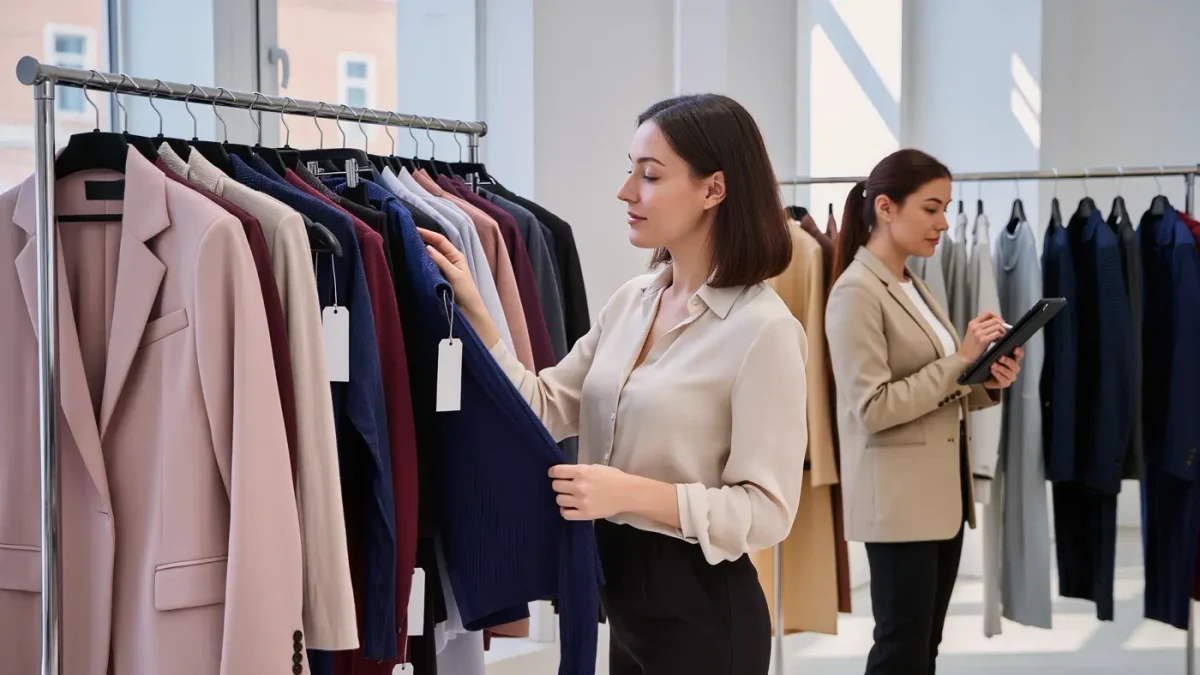
Because ordering is risk management. A buyer committing a season's budget needs to see every piece, check construction in detail, and plan a store's assortment by proportion and price — work no show recording supports and no single campaign image serves. The lookbook answers with completeness: it is the only document in which the collection appears entire, and its plainness is a professional courtesy to the reader, removing everything that would flatter the clothes but obscure them. Where the runway optimises for emotion, the book optimises for decision, and the industry's commerce continues to run on decisions.
What can the format's history teach a young label?
That the least glamorous document in fashion is the most durable. Catalogue, line sheet, printed book, digital scroll: the container changed four times and the function never did, which is the definition of a format that works. The practical lessons are inherited ones — photograph every look, keep the frame consistent, sequence the collection so its argument reads without narration, and build a signature through repetition rather than novelty. The runway may make the headlines, but the lookbook makes the orders; a label that understands this distinction is working with fashion's real distribution of attention, in which the spectacle belongs to the crowd and the record belongs to the trade.