Kering and Gucci announced on March 13, 2025 that Demna, until then creative director of Balenciaga, had been appointed Gucci's artistic director, with the role starting in early July 2025, per the official Kering announcement. The market's response was immediate: per CNBC, Kering shares fell about 11 percent around the news, a measure of how much weight a single creative appointment now carries on a listed group's balance sheet.
Why move a designer between your own houses?
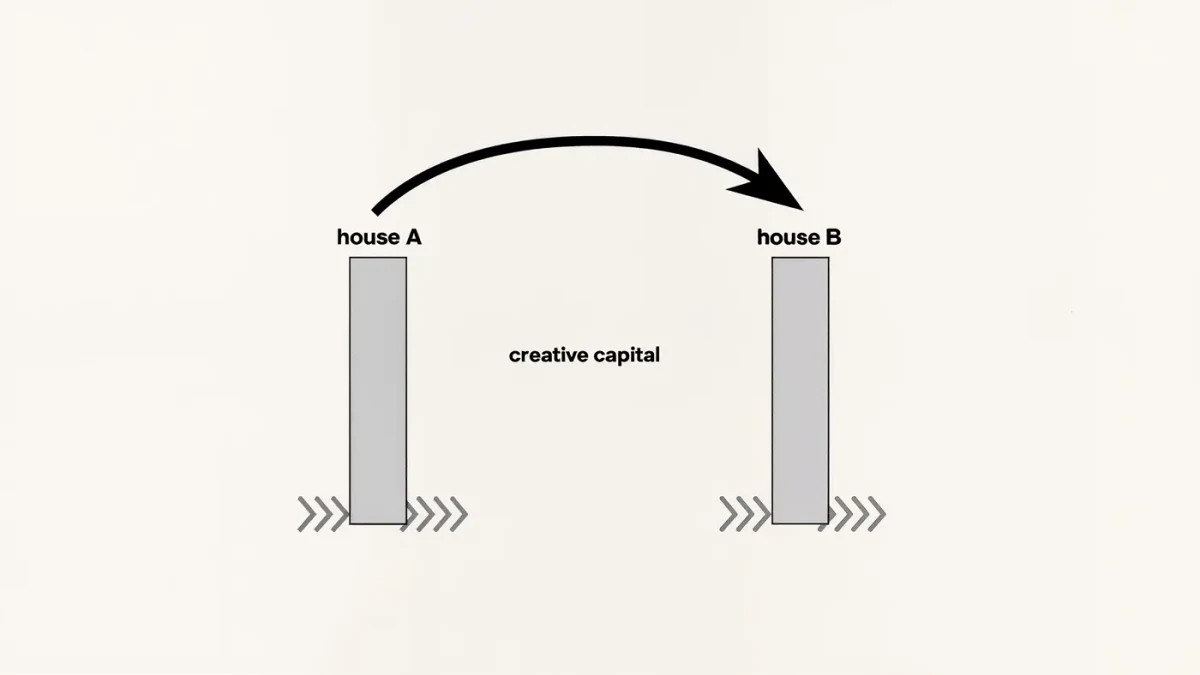
Because the alternative was an external search with uncertain returns. Demna was the one senior designer whose commercial record inside Kering was already proven at scale. Moving him from Balenciaga to Gucci — the group's largest brand by revenue, then in a prolonged sales decline — treated creative direction as transferable capital within a portfolio. Per Reuters, the announcement closed months of speculation about Gucci's direction after a series of interim resets, and Kering said new leadership at Balenciaga would be named in due course, a vacancy later filled by Pierpaolo Piccioli.
What does Demna's Gucci actually look like?
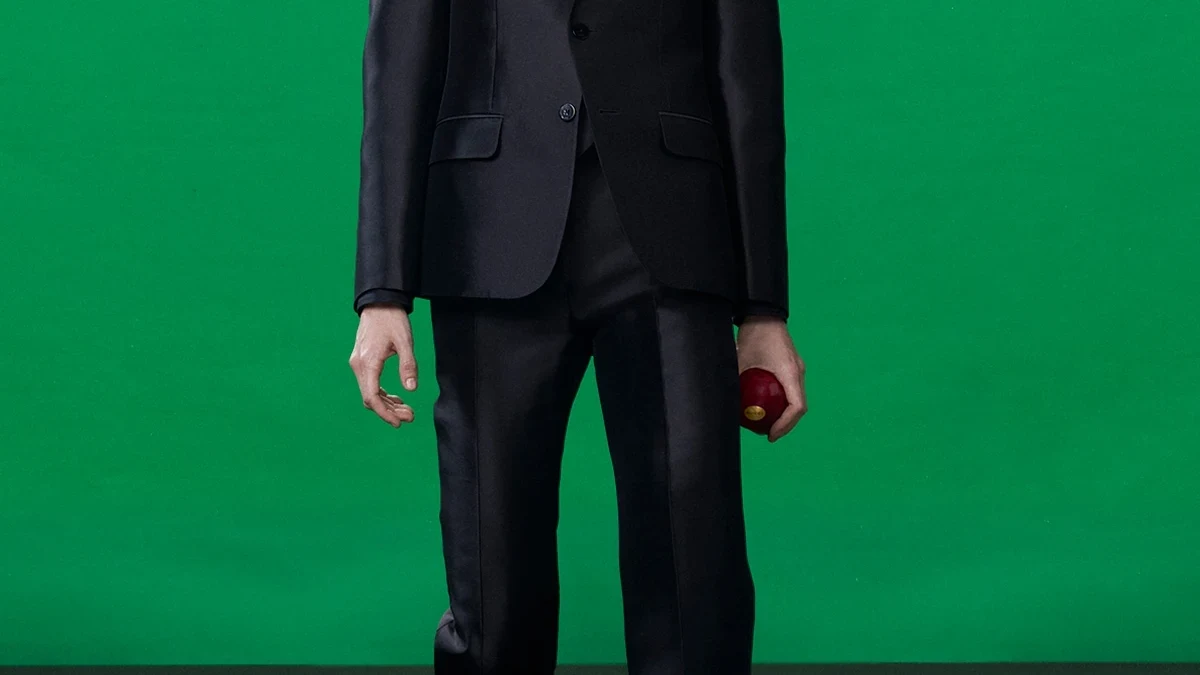
The rollout documented a deliberate pacing. Demna's first Gucci collection, titled La Famiglia, was released on September 22, 2025 — not as a runway show but as a lookbook photographed by Catherine Opie, accompanied by a short film directed by Spike Jonze and Halina Reijn, per coverage of the debut. The collection was sold in a limited run in ten boutiques worldwide. His first runway show followed on February 27, 2026 in Milan; per Vogue, the collection read as precise and unmistakably Gucci, sharpened through Demna's lens, with archival codes like the Bamboo 1947 bag and horsebit loafer recut in a tighter, sexier register.
The heritage question
Critics noted a 1990s Tom Ford-era atmosphere in the February show, a useful indicator of the strategy: rather than erasing Gucci's archive, Demna's version of disruption selects from it. For a house whose identity had fragmented across successive creative regimes, that is a documented return to codes rather than a rupture from them.
Why does the Kering map matter to the industry?
Because it establishes a template. In the 2025 cycle, LVMH consolidated Dior under Jonathan Anderson while Kering shuffled Demna and Piccioli between its own maisons — evidence that the conglomerate era now treats designers like executives who can be redeployed across brands. Gucci's gamble is that Demna's subversion, applied to a heritage wardrobe rather than a subversive house, can restore scale. The February 2026 show was the first measurable evidence; the sales figures will be the second.
The counterweight at the other house completed the design. Kering named Pierpaolo Piccioli creative director of Balenciaga in May 2025, effective July 10, 2025, per its official announcement — meaning both swapped chairs were filled within ten weeks. The paired moves documented a group thinking in portfolio terms: provocation redeployed to the biggest brand, couture credibility installed at the house Demna had industrialized. Both debuts, in September and October 2025 respectively, are now on the record.