Art covers exhibitions, commissions and the artists whose vocabulary keeps turning up in collections. Coverage names movements, materials and editions, and separates genuine collaboration from a licensing deal with a signature attached. Written for readers who move between galleries and fashion with equal fluency.
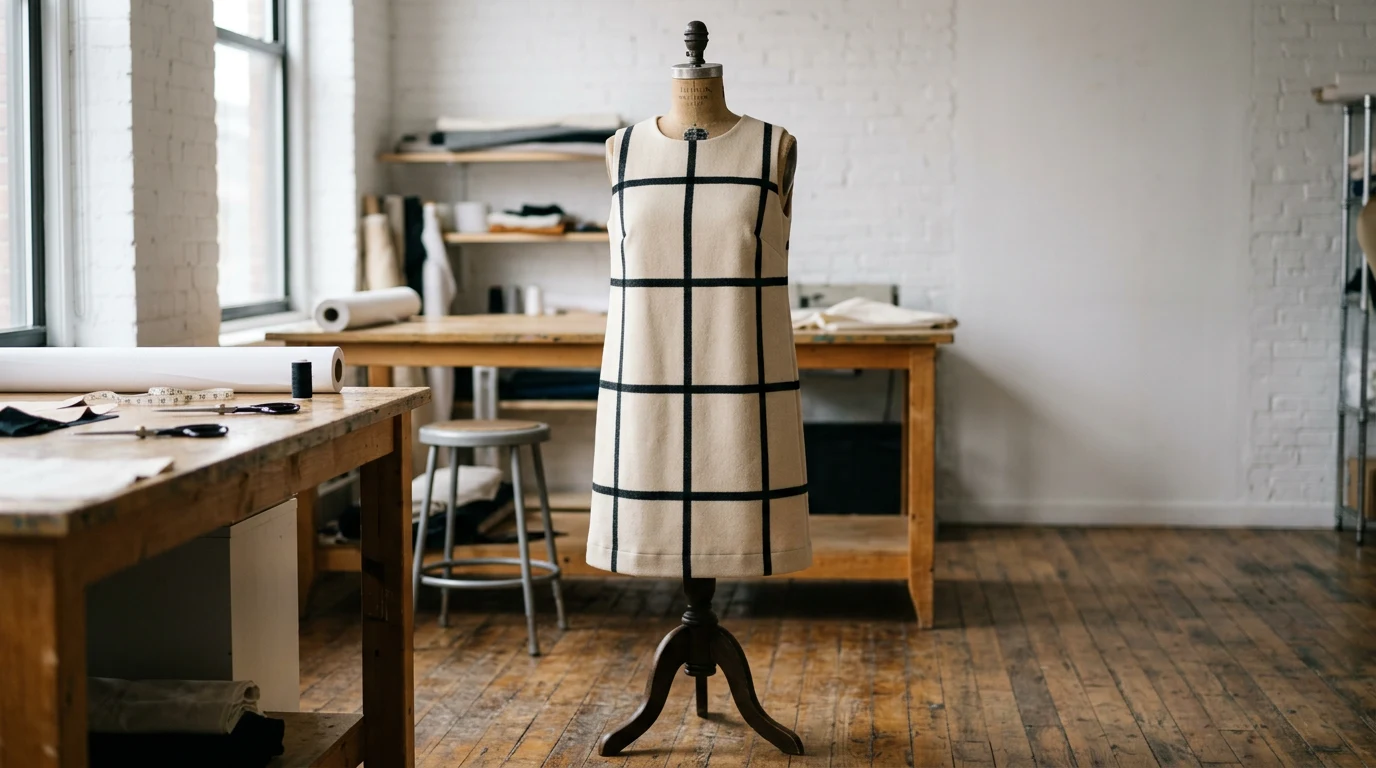
In August 1965 a Paris couture show sent out a handful of shift dresses built to hide their seams inside a painter's grid — and made a career-long argument about where fashion ends and art begins.
Keith Haring opened the Pop Shop on Lafayette Street in April 1986 and sold his imagery as T-shirts and posters — the blueprint for every artist-fashion collaboration since.
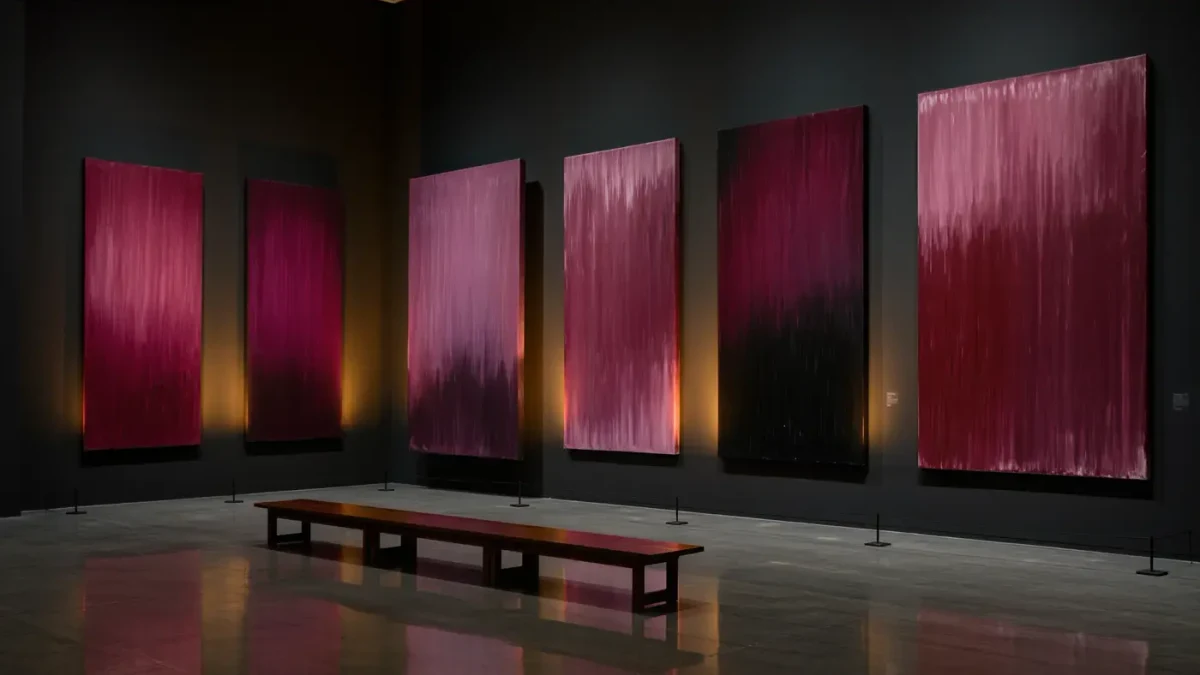
Color-field painting — Mark Rothko's stacked rectangles and Barnett Newman's zips — changed how a single surface could hold attention, and monochrome dressing borrowed the lesson whole.
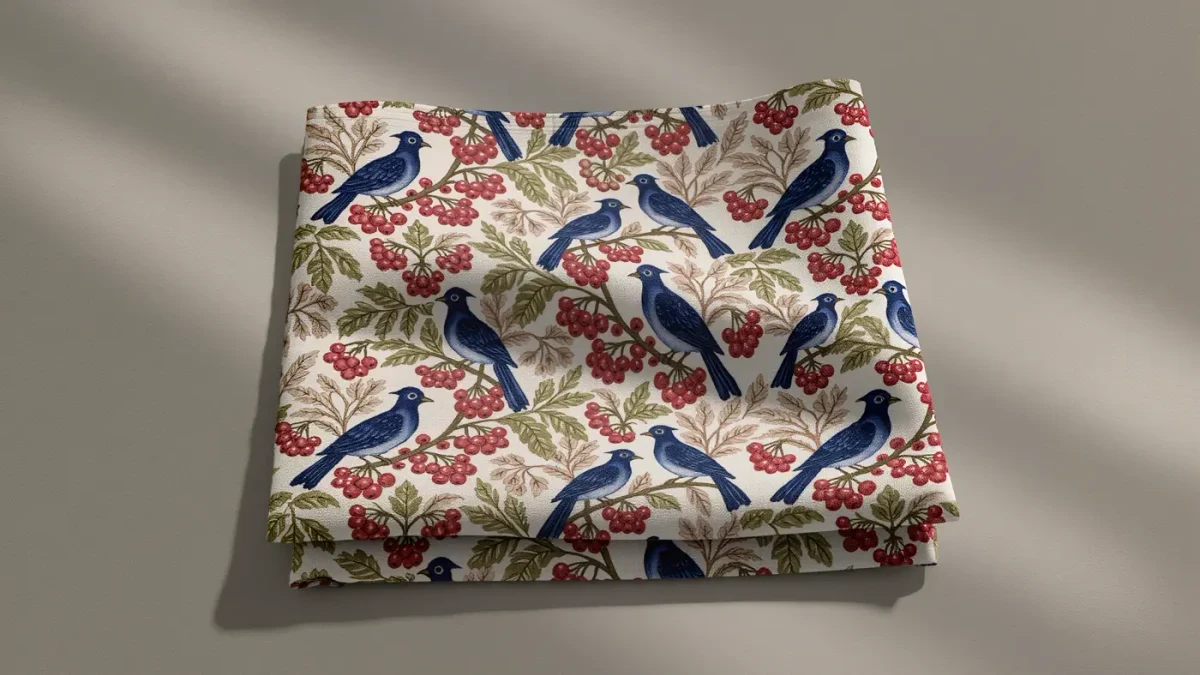
William Morris designed Strawberry Thief in 1883, and fashion has been borrowing the Victorian archive ever since — indigo birds, willow boughs and trellises that refuse to date.
Commissioned by Interview in 1983–84 and again in 1993–94, Cindy Sherman used fashion's own formats to expose how artificial the fashion image really is.
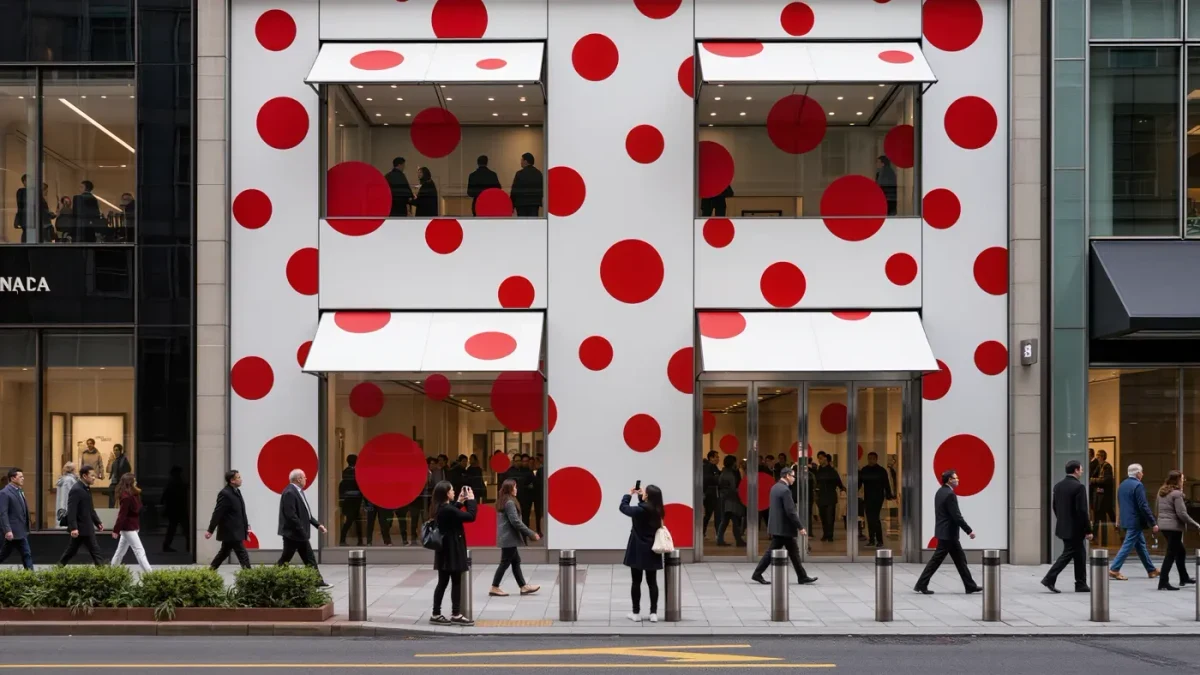
The polka dot carried Yayoi Kusama from 1960s New York provocations to a 2012 collaboration with Louis Vuitton — a fifty-year argument for pattern as a worldview.