Designers is the profile archive of AWH Magazine: reported pieces made from studio visits, interviews and the collaborators who work alongside a designer. Subjects range from first collections to houses changing hands. Useful for readers who want to know how a garment was arrived at, not only who signed it.
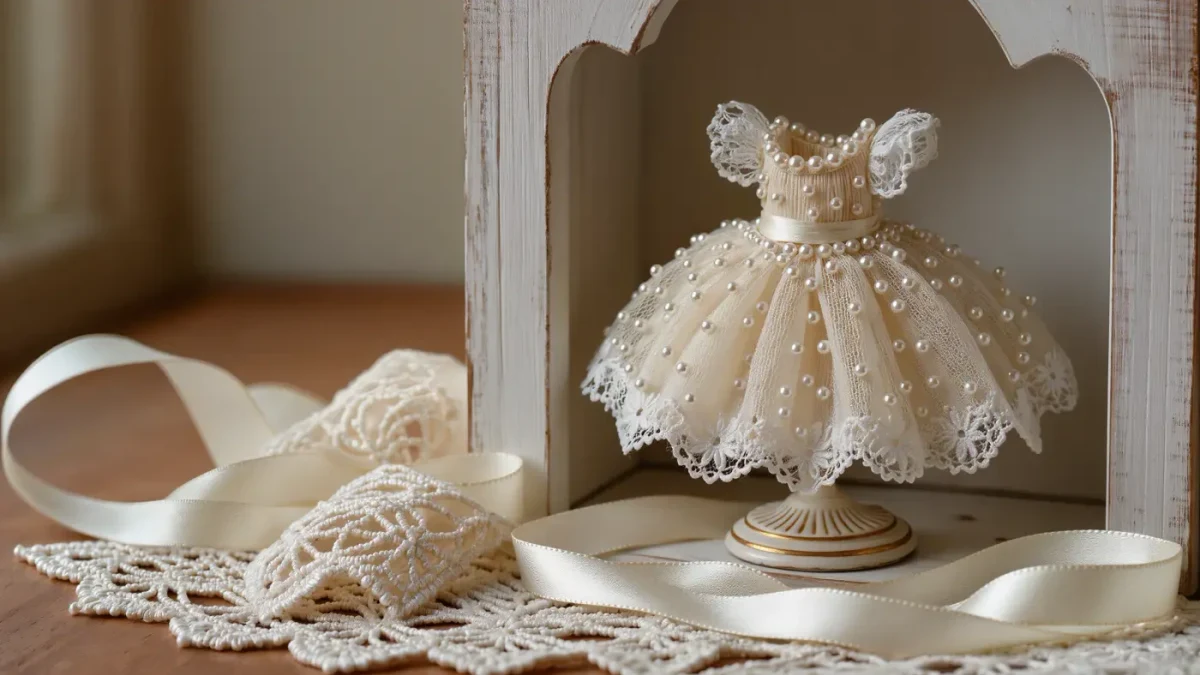
The Dublin-born designer has spent a decade and a half turning Irish references, pearls and tulle into an archive-obsessed wardrobe, tested at scale by her 2021 guest collection for Jil Sander.
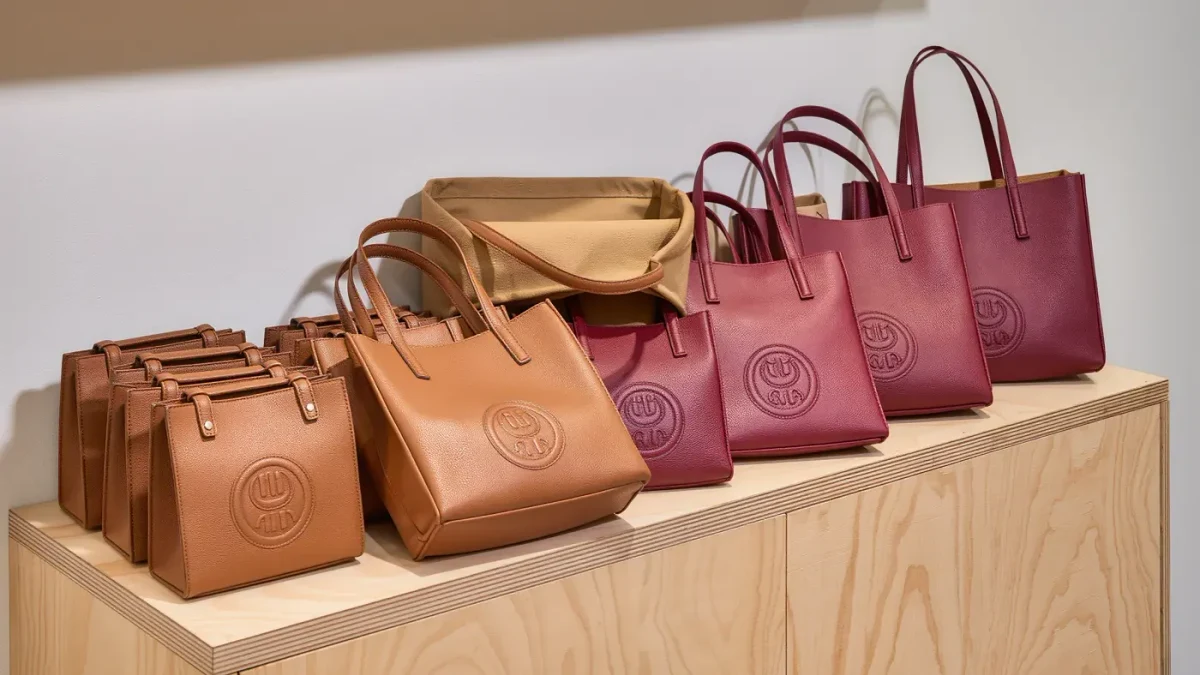
The Liberian-American designer built a unisex label around a vegan-leather shopping bag priced within reach, winning the CFDA's American accessory award in 2021 and rewriting who a designer object is for.
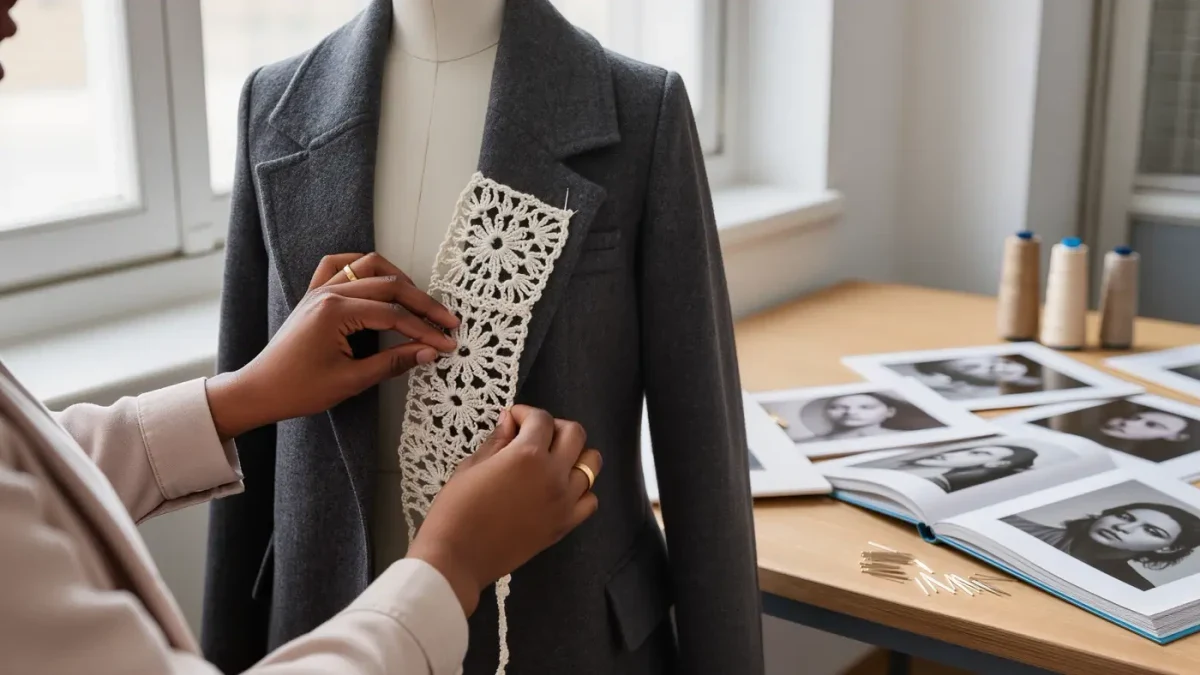
From a Central Saint Martins graduate collection to the LVMH Prize in 2016 and a Dior menswear appointment announced in 2025, Wales Bonner has argued that Black Atlantic history can be a design method.
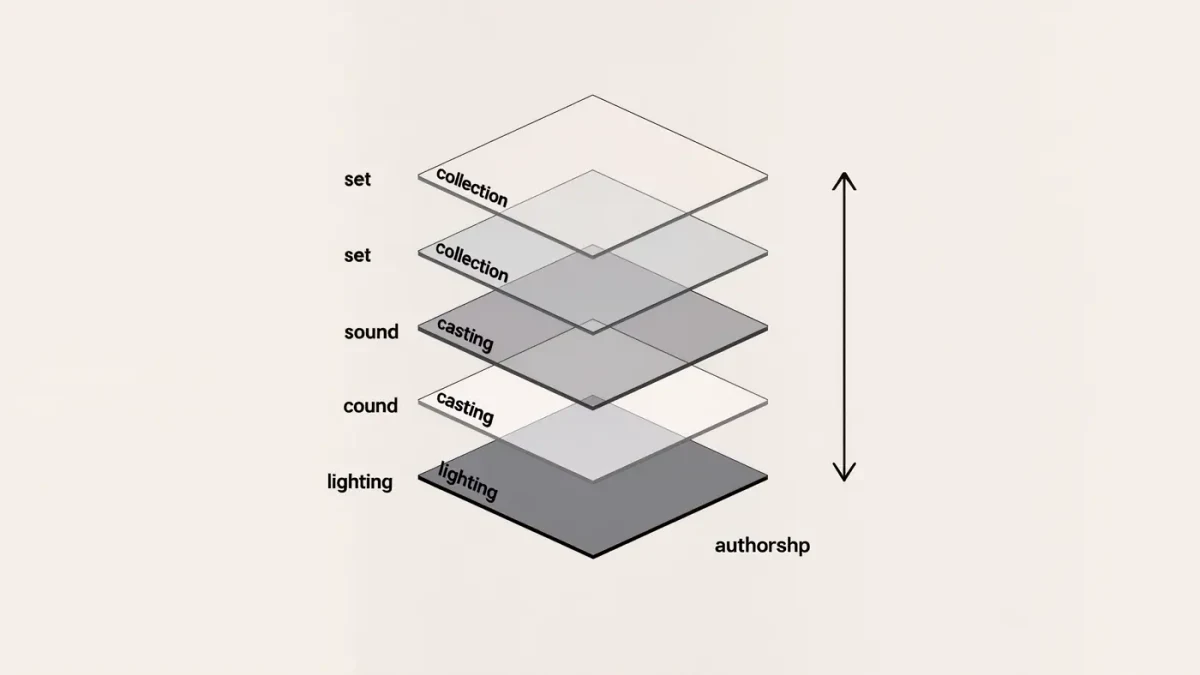
When the Costume Institute's Savage Beauty drew record crowds in 2011 and again at the V&A in 2015, the argument over whether McQueen's catwalk theatre was fashion or performance closed in his favour.
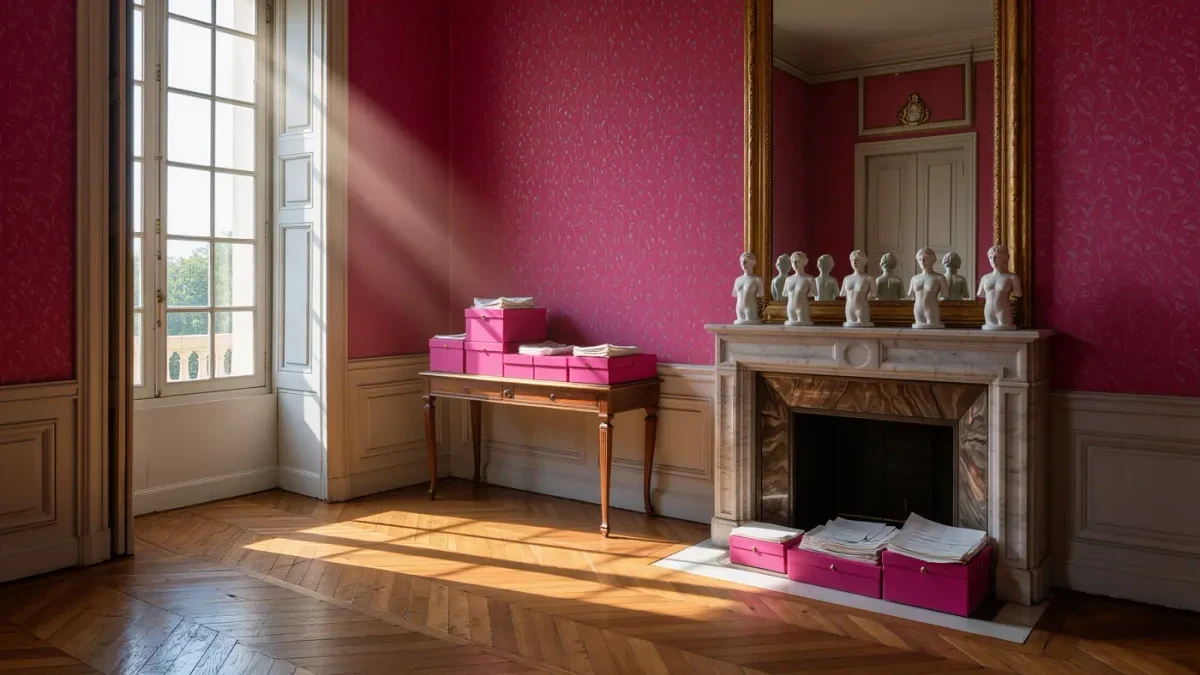
The Roman-born designer built a Paris house of nearly two thousand workers on shock pink, novelty and disciplined organisation — and ran it, from 1935 to 1954, like the company it was.
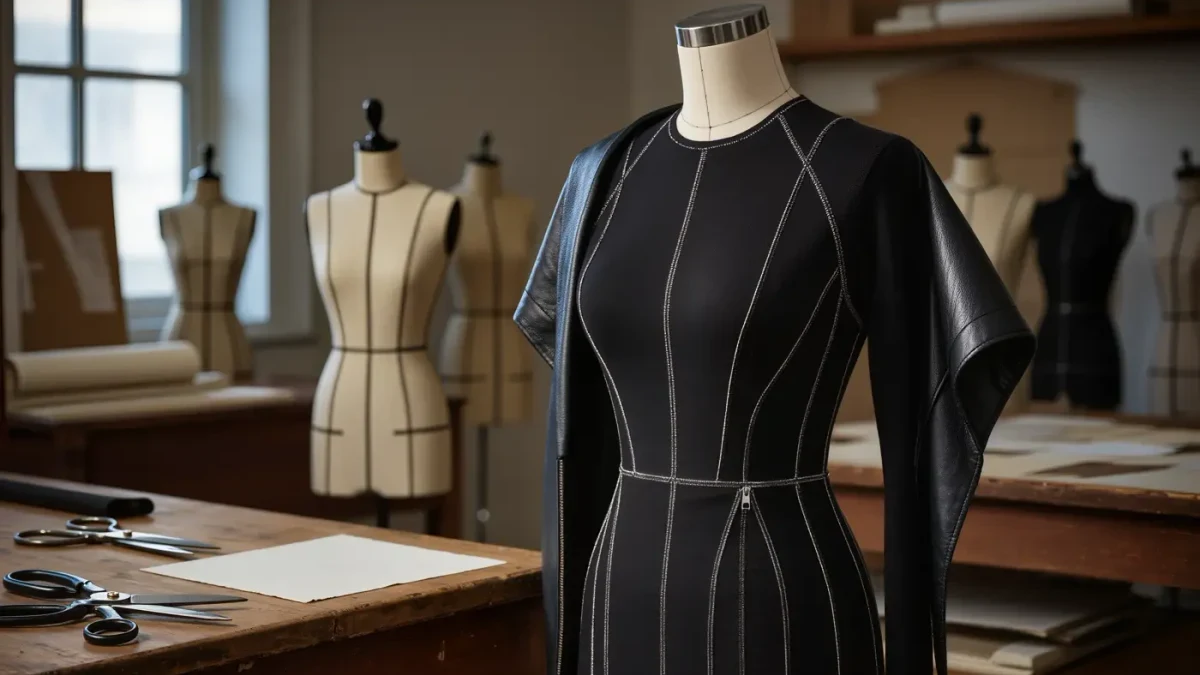
The Tunisian-born couturier built body-moulding clothes from knit and leather on his own schedule, ran his house from a rue de Moussy atelier, and showed only when the work was finished.