Beauty
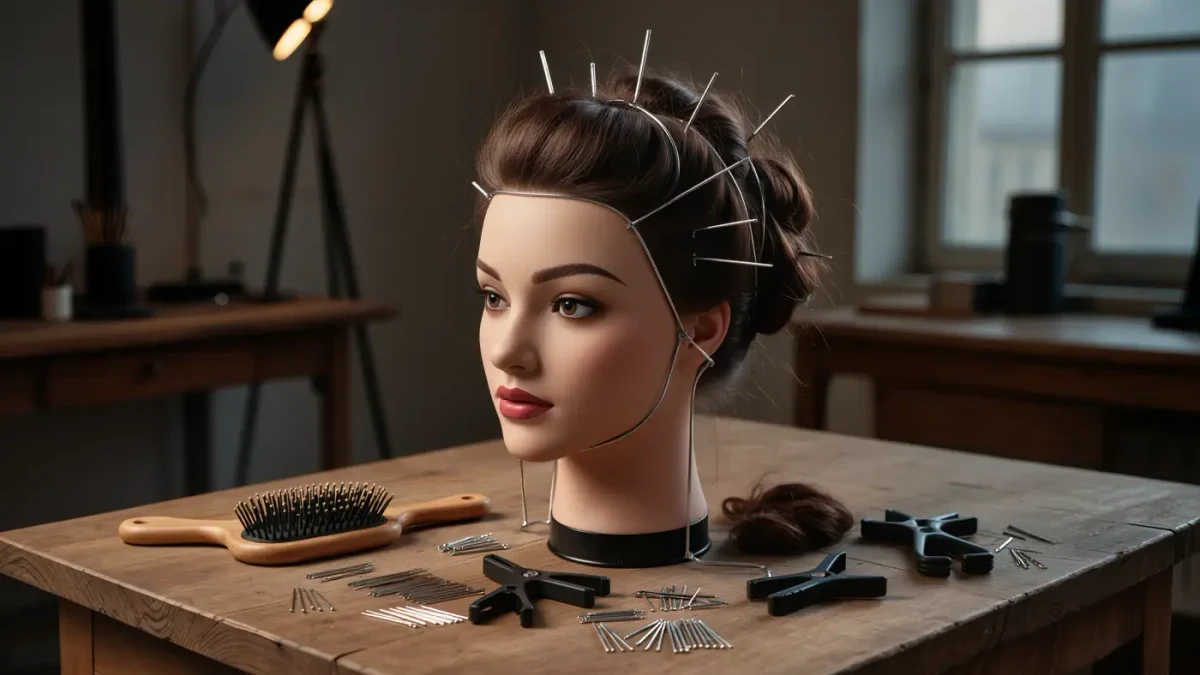
Hair as Sculpture: From the Mod Bouffant to the Architectural Updo
When a hairstyle holds a built form — a 1960s beehive, an engineered runway updo — hairdressing crosses into the territory of sculpture.
Beauty at AWH Magazine treats makeup and hair as authored work rather than product placement. Pieces credit the artists, name the references, and explain how a face was constructed for a show, a campaign or a portrait. Suited to readers interested in image-making, not only in what to purchase.
When a hairstyle holds a built form — a 1960s beehive, an engineered runway updo — hairdressing crosses into the territory of sculpture.
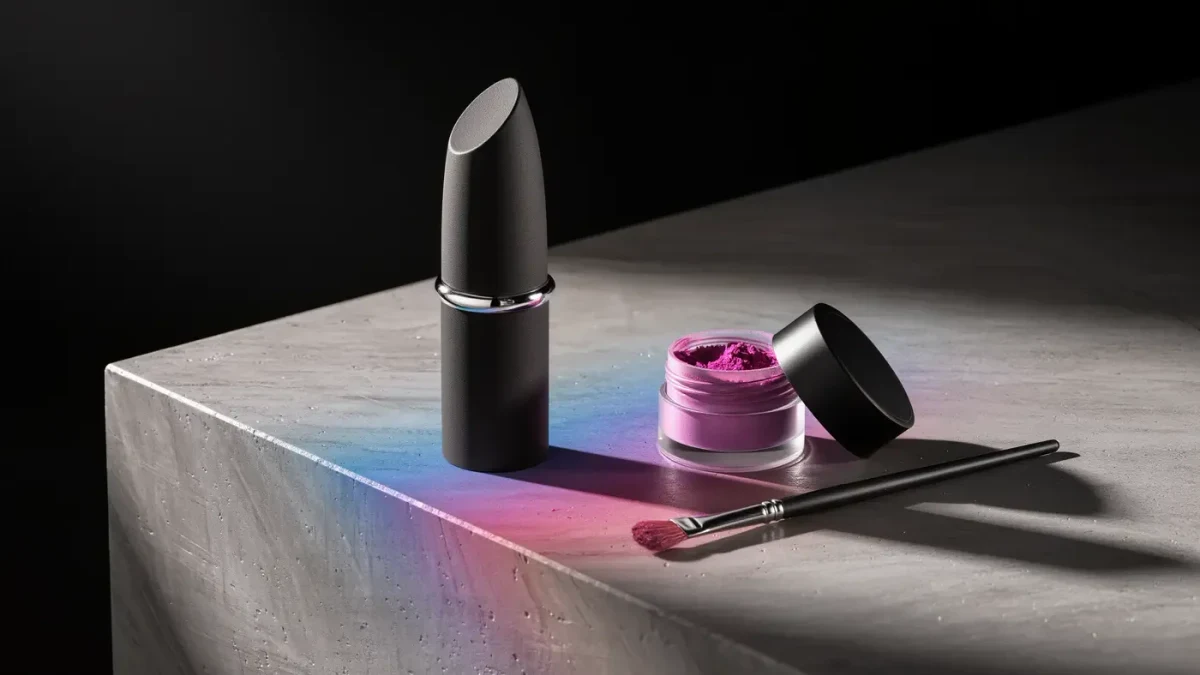
From face paint at art-school parties to creative direction at Byredo and her own label, a career that treats beauty imagery as culture, not polish.
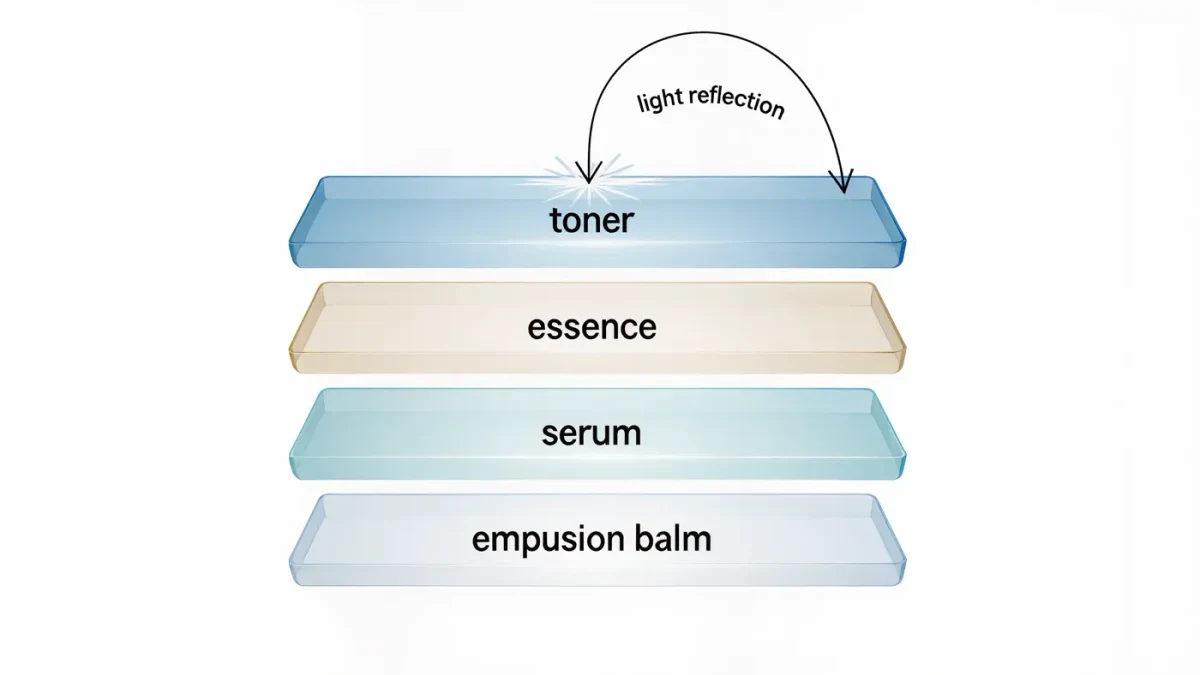
A Korean ideal of translucent, hydrated skin crossed into Western magazines and quietly dismantled a century of matte.
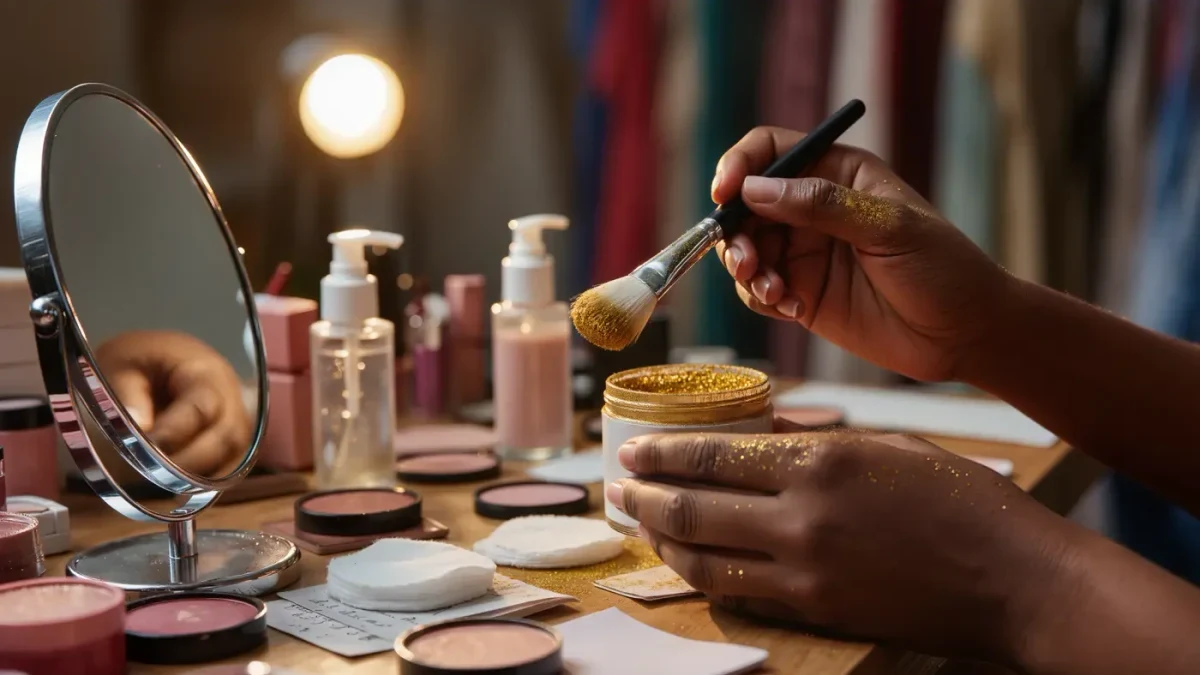
The makeup artist who turned a gold-leafed face at Gianni Versace's 1996 show into a career of named, signed, billion-pound beauty authorship.
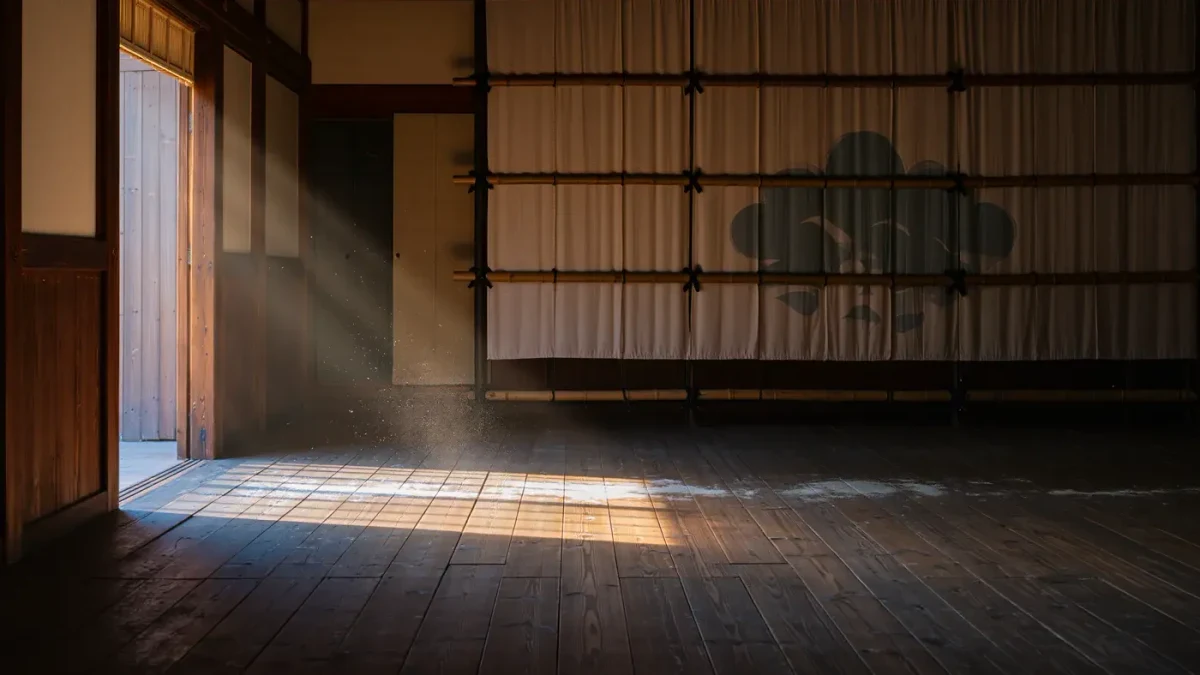
White faces and coded colour on the runway are not fantasy — they borrow a working system built on the kabuki stage, where paint was dramaturgy.
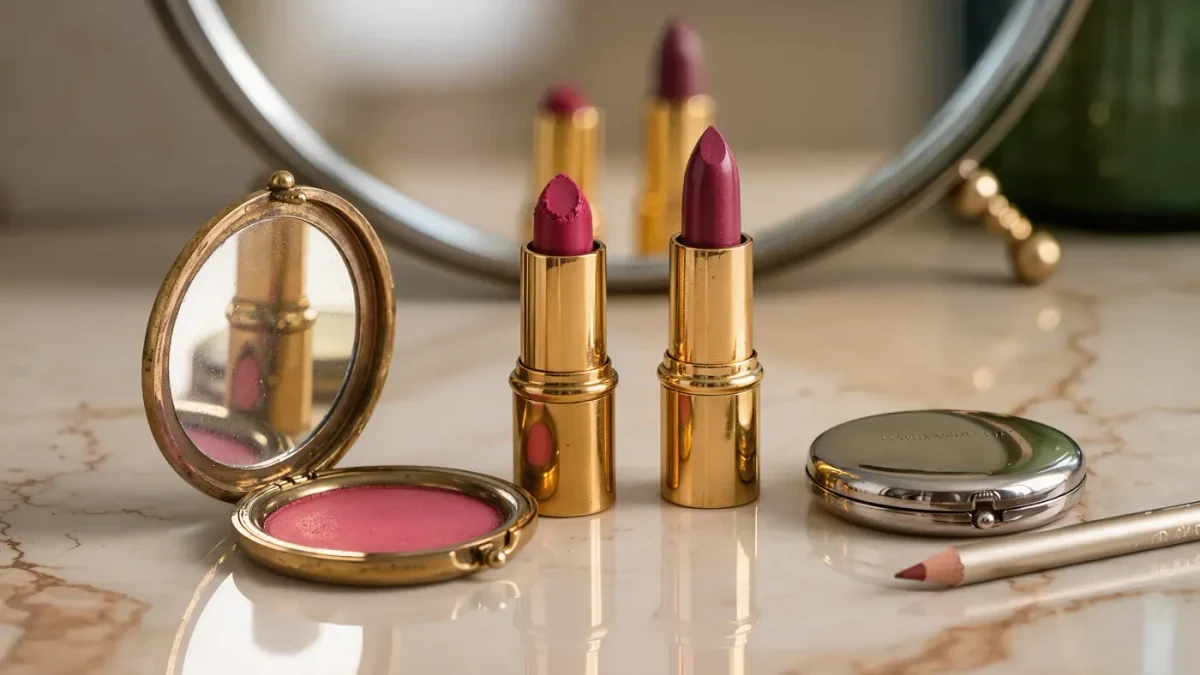
A small, dark, heart-shaped mouth became the decade's signature — the moment lipstick turned from cosmetics-counter afterthought into a modern gesture.